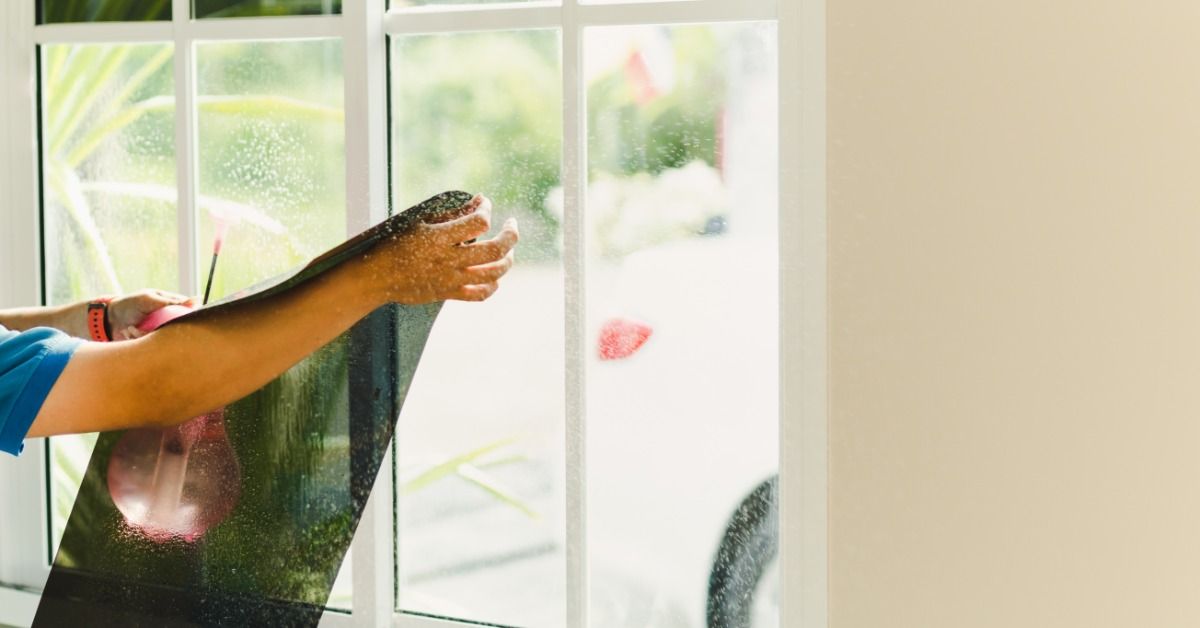





Can You Fix Scratches in Window Tint? DIY Techniques
Scratches in residential or commercial window film can be frustrating, especially when they disrupt the clean appearance of your glass and become more noticeable in direct sunlight. Many property owners begin searching for DIY techniques that can fix window tint scratches before considering whether replacement is the more practical route. While technicians can often buff out minor surface imperfections, deeper abrasions permanently damage the structure once they penetrate the protective film layer. Before attempting any correction, it is important to understand how window film is built and why scratches behave differently than they do on untreated glass.
Understanding How Window Film Is Engineered
Manufacturers bond multiple polyester layers to produce residential and commercial window tint. These layers may contain solar-control elements, such as metals, dyes, or ceramic particles, all protected by a thin scratch-resistant coating designed to withstand routine cleaning. Although durable, that outer coating is still more delicate than glass itself.
When a scratch penetrates the protective surface, light refracts unevenly across the damaged area. Even a narrow line can appear brighter or slightly silvery because the surface no longer reflects light uniformly.
Why Window Film Responds Differently Than Glass
Glass is dense and uniform from surface to core, which is why polishing can sometimes reduce shallow scratches. Window film is different. It consists of thin bonded layers engineered for solar performance, and manufacturers measure those layers in microns rather than millimeters.
When a scratch damages the top coating, it physically removes or displaces material. There is no depth available to polish downward without compromising clarity. Attempts to buff the area can thin the surrounding coating and change how light reflects across that section of the pane. The result is usually a larger dull spot rather than a smaller scratch.
Identifying Surface Scuffs vs. Deep Scratches
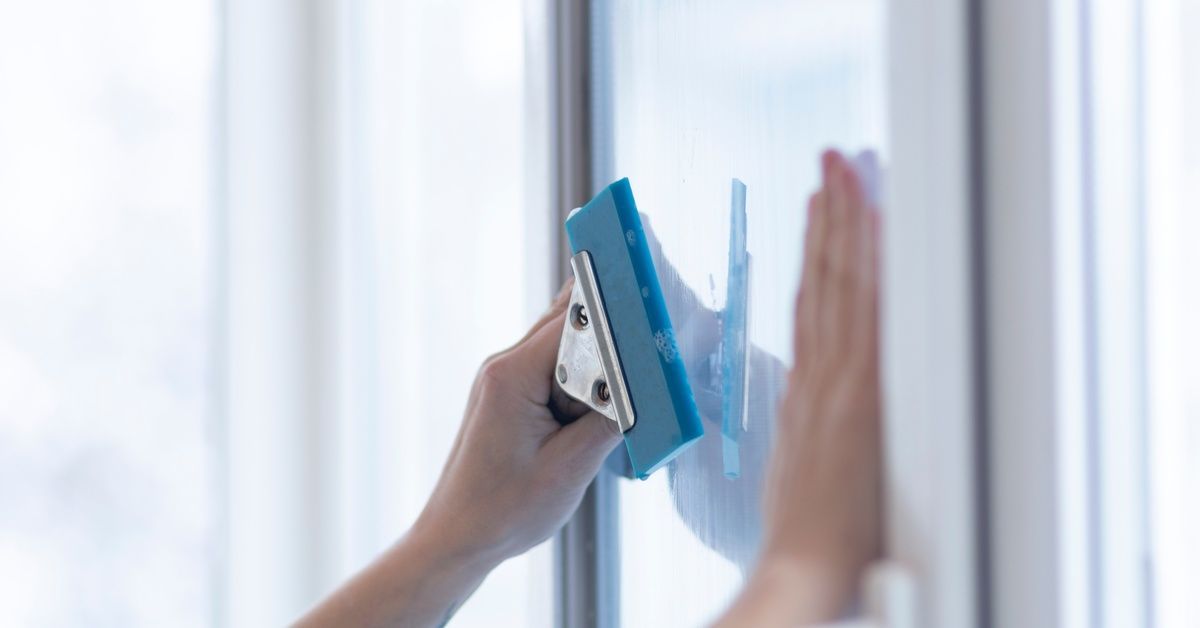
Accurate assessment is the first step before trying any DIY solution. A light surface scuff may look like a faint streak and feel smooth when touched gently. These marks sometimes result from dust, paper towels, or minor friction against the glass.
A deeper scratch usually catches your fingernail and appears sharply defined. If the mark looks white or metallic under sunlight, the protective layer has likely been penetrated. Tears, bubbling, or lifting edges indicate structural failure of the film and point toward replacement rather than repair.
Start With a Careful Cleaning Process
What appears to be a scratch can occasionally be residue or streaking from improper cleaning methods. Construction dust, adhesive particles, or debris from nearby surfaces can cling to window film and create the illusion of damage.
Use a soft microfiber cloth with an ammonia-free cleaner, wiping in straight lines rather than circular motions. Follow with a second dry microfiber towel to remove moisture completely. If the line fades or disappears, the issue was surface buildup rather than an actual scratch in the film.
Evaluating Plastic-Safe Polishes
Plastic-safe polish designed for clear acrylic surfaces may reduce the visibility of extremely shallow scuffs. Results vary depending on the film type and the depth of the mark, so expectations should remain modest.
Test the polish in a hidden corner before applying it to a visible area. Use minimal pressure and short, controlled motions to avoid creating uneven sheen. If the surface begins to look cloudy, discontinue use immediately to prevent expanding the damaged area.
The Limited Role of Heat
Low, indirect heat from a household hair dryer can help relax very slight surface distortions that resemble wrinkles more than scratches. Maintain distance between the dryer and the glass while keeping the airflow moving to prevent concentrated heat exposure.
Heat will not repair gouges or etched lines in the coating, and excessive warmth can weaken adhesive bonds and cause bubbling. Which only creates a larger issue than the original scratch.
Common DIY Mistakes That Lead to Replacement
Many online suggestions recommend abrasive tools or harsh chemicals, which can permanently damage film. Tools the suggest may include razor blades, scouring pads, and gritty compounds, that just strip the protective layer and leave the surface uneven.
Also, ammonia-based cleaners and solvent-heavy products can degrade adhesives and discolor film. Removing the protective coating reduces clarity and performance, so professional replacement becomes the only practical solution for an issue like this.
Recognizing When Repair Is No Longer Practical
Some scratches are cosmetic annoyances, but others interfere with the overall visual consistency of a space. In homes with expansive glass walls or commercial properties with large front-facing windows, even a single damaged panel can draw the eye.
Deep scratches that appear bright or metallic usually indicate that the top layer has been breached. No surface treatment can rebuild that coating. Replacement restores a uniform appearance and preserves the intended solar control performance of the film, which maintains comfort and visual balance throughout the room.
The Cost Perspective: Repair Attempts vs. Professional Service
Attempting multiple DIY fixes may seem economical at first, yet repeated experiments with polish or heat can expand the damaged area. If replacement becomes inevitable, prior damage may complicate removal and increase labor time.
A professional evaluation provides clarity upfront. Instead of investing in trial-and-error products, property owners who seek professional assistance receive a clear recommendation based on the film’s condition and the extent of damage.
Preventing Scratches in Residential and Commercial Tint
Long-term appearance depends heavily on daily care practices. Window film is durable, but it responds best to gentle handling and appropriate cleaning tools.
Microfiber cloths reduce friction and trap debris without dragging particles across the surface, and ammonia-free cleaners protect both the film and its adhesive layer. During renovations, covering tinted windows shields them from drywall dust and airborne grit that can act like fine sandpaper. Small adjustments in maintenance routines can extend the clean, uniform look of installed film.
Clear Solutions for Scratched Window Film
Homeowners researching DIY techniques that can fix window tint scratches should recognize that light surface marks may improve, while deeper abrasions typically require replacement for a clean, uniform finish. Thoughtful assessment and gentle handling prevent additional damage and preserve the integrity of the glass beneath the film.
For property owners considering window tinting in Houston or needing professional film replacement, Sun Pro Glass Tinting delivers precise residential and commercial installations backed by decades of experience. Their employee-based installation team provides attentive service, premium film options, and clean results tailored to each space. Contact Sun Pro Glass Tinting today to schedule a consultation and restore the clarity, comfort, and performance of your windows.