





9 Smart Ways To Lower Your Electric Bill in Texas
Few household expenses fluctuate as dramatically as electricity costs in Texas. Long summers, powerful air conditioning systems, and extended daylight hours all contribute to high monthly bills. While many homeowners expect energy costs to rise during peak seasons, small inefficiencies around the home can push those bills even higher.
Understanding how to manage heat, airflow, and daily energy habits can make a noticeable difference in overall consumption. Many improvements require little more than adjusting existing systems or identifying areas of energy loss. Here are some smart ways to lower your electric bill in Texas that are practical changes homeowners can make to improve efficiency and reduce unnecessary strain on cooling systems.
Why Texas Homes Rack Up High Energy Bills
Texas homes experience a combination of environmental and structural factors that drive electricity use upward. Extended periods of intense sunlight heat roofs, walls, and windows throughout the day, gradually raising indoor temperatures and forcing air conditioners to work harder to maintain comfort.
Construction trends can also contribute to the issue, with many homes featuring large windows, open floor plans, and expansive glass doors that allow sunlight to pour into living areas. While these features create bright interiors, they tend to introduce solar heat that builds throughout the afternoon. As cooling systems attempt to offset this heat gain, electricity usage climbs steadily.
Start With an Energy Baseline Before Changing Anything
Before making improvements, it helps to understand how the home is using energy. Reviewing several months of utility bills can reveal patterns, including seasonal spikes or unusually high usage compared to similar homes in the area.
A quick walk-through of the home can uncover obvious inefficiencies. For example, areas that feel warmer than others, vents with weak airflow, or rooms that require constant thermostat adjustments signal underlying energy problems. Identifying these patterns early allows homeowners to prioritize the changes that will have the most noticeable impact.
A Simple Weekend Audit: Thermostat, Vents, and Hot Spots
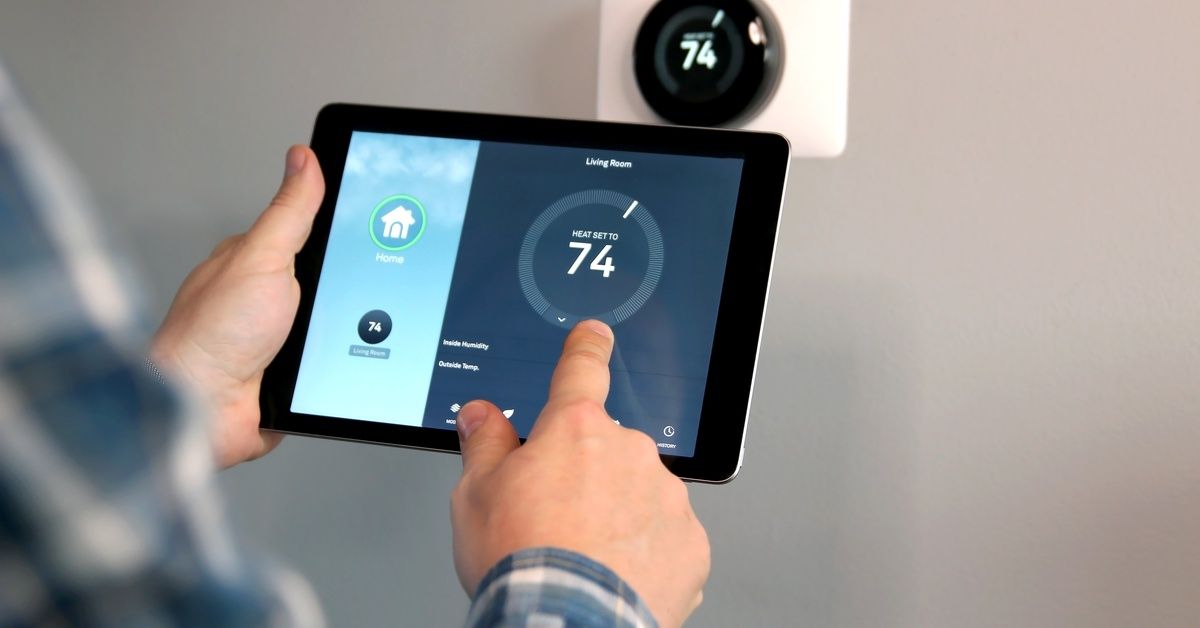
A basic home energy audit does not require specialized tools. Start by checking thermostat settings and ensuring schedules align with daily routines. Cooling empty homes during work hours wastes energy without improving comfort.
Next, inspect vents and return air grilles throughout the home. This includes furniture blocking vents that can restrict airflow, forcing the HVAC system to run longer cycles. Finally, pay attention to rooms that feel consistently hotter in the afternoon, as these spaces have higher solar heat levels.
Seal the Envelope: Weatherstripping, Caulk, and Attic Access Points
Air leaks undermine cooling efficiency, so small gaps around doors, windows, and attic hatches allow conditioned air to escape while warm outdoor air seeps inside. Eventually, these leaks force HVAC systems to run longer cycles to maintain the desired temperature.
Applying weatherstripping around exterior doors and sealing cracks with caulk can reduce unwanted airflow. Also, check attic access points, since poorly sealed attic doors allow hot attic air to infiltrate the living space.
Tune HVAC Performance Without Replacing the System
Doing routine maintenance and small adjustments can improve performance without requiring major equipment upgrades. Start with replacing air filters regularly, keeping the condenser units clear of debris, and always schedule professional service immediately when you notice worn components or refrigerant imbalances.
Airflow and Thermostat Programming That Actually Works
A programmable thermostat can reduce electricity use when configured correctly. Adjusting temperatures slightly during sleeping hours or while the home is empty can prevent unnecessary cooling cycles.
Balanced airflow throughout the home also assists with consistent comfort. When some rooms receive more cooled air than others, homeowners lower the thermostat to compensate, which increases overall energy use. Evenly distributed airflow helps maintain comfort without excessive cooling.
Reduce Solar Heat Gain Where It Hits Hardest: Windows and Glass Doors
Sunlight passing through untreated windows is a source of indoor heat gain. Even when the air conditioner runs continuously, solar radiation can steadily warm floors, furniture, and walls throughout the day. These materials retain heat, gradually releasing it back into the room even after the sun sets.
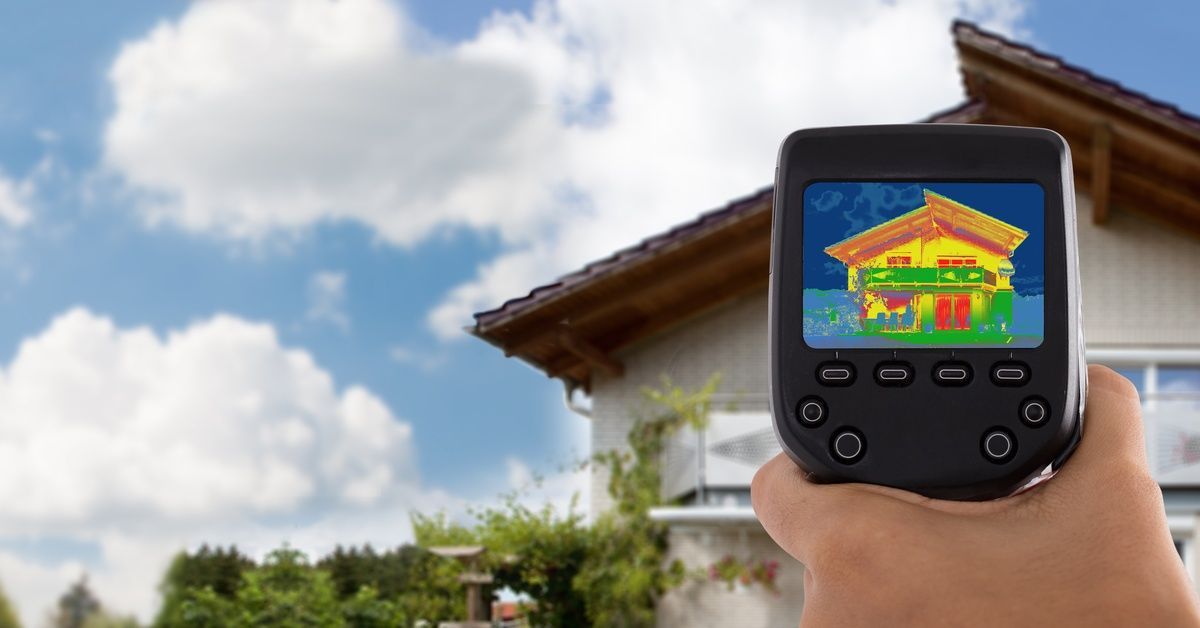
Reducing the amount of solar heat entering the home can noticeably lower cooling demand. Window coverings, shading, and advanced glass treatments all limit how much sunlight transfers into interior spaces, keeping cooler indoor temperatures without constant HVAC use.
What Quality Window Film Changes in Daily Comfort
Professional window film creates a barrier that reflects a portion of solar energy before it enters the home. By limiting heat transfer through glass, indoor temperatures remain more stable during peak sunlight hours. Modern film technology allows natural daylight to remain visible while reducing glare and heat buildup. As a result, air conditioning systems operate more efficiently because they no longer need to compensate for intense solar heat entering through windows.
Shade and Timing Strategies That Lower Peak-Hour Demand
Outdoor shading can reduce the amount of heat that reaches exterior walls and windows. Trees, awnings, pergolas, and exterior shades all provide physical barriers that limit direct sunlight from striking glass surfaces.
Daily timing habits influence energy usage, for example, running heat-producing appliances such as ovens, dryers, and dishwashers during the hottest part of the day adds additional warmth inside the home. Shifting these activities to early morning or evening hours prevents unnecessary heat buildup that forces cooling systems to work harder.
Upgrade Lighting and Plug-Load Habits That Quietly Inflate Bills
Many small electronics continue drawing power even when not actively in use. Chargers, entertainment systems, and standby appliances consume electricity throughout the day, gradually increasing energy costs, so unplug them to save this energy.
Switching to energy-efficient lighting can reduce electricity consumption while limiting heat generation. Traditional bulbs release a surprising amount of heat compared to modern alternatives and replacing them with LED lighting reduces both power usage and extra warmth.
When Window Film Becomes a Long-Term Efficiency Upgrade
Energy-saving improvements fall into two categories: behavioral changes and structural upgrades. While habits such as adjusting thermostats and sealing leaks provide noticeable savings, long-term efficiency improvements involve modifying how the home interacts with sunlight and outdoor heat.
Installing professional window film represents one of the more durable upgrades available. Because windows remain a primary pathway for solar heat, reducing that heat at the glass level improves indoor comfort across multiple seasons. Instead of relying solely on HVAC systems to counteract sunlight, window film reduces the problem before it reaches the interior.
Improving Comfort While Lowering Energy Costs
Lower electricity bills come from several small adjustments working together to reduce heat buildup, improve airflow, and limit unnecessary energy use. For many homes, addressing heat gain through windows is one of the most impactful improvements. When sunlight enters unchecked, cooling systems must constantly counteract rising indoor temperatures. Solutions like home window tinting in Houston, TX can stabilize indoor conditions while allowing natural light to remain part of the living space.
Homeowners looking to take the next step can review residential tinting options from Sun Pro Glass Tinting to see how professional window film installation fits into broader energy efficiency plans. When combined with other practical improvements, 9 smart ways to lower your electric bill in Texas can turn everyday energy management into lasting household savings.