




Security Window Film: A Simple Upgrade for Safer Schools
School safety planning focuses on procedures, personnel, and controlled access points, yet the physical structure of a building is equally important. Common parts of the structure include glass doors, sidelights, and large windows in modern school design, but they are vulnerable areas if left unprotected. Addressing these risks requires thoughtful upgrades that align with how schools operate daily.
One practical improvement involves reinforcing existing glass to better withstand impact and delay forced entry. Rather than replacing entire window systems, schools can enhance what is already in place. This guide gives leaders insight into how security window film is a simple upgrade for safer schools.
Why Glass Is a Vulnerability in Many Campus Layouts
Glass is widely used in schools to create open, visible environments that support supervision and natural light. However, standard glass lacks the strength to resist force, making it an accessible entry point during emergencies or security incidents.
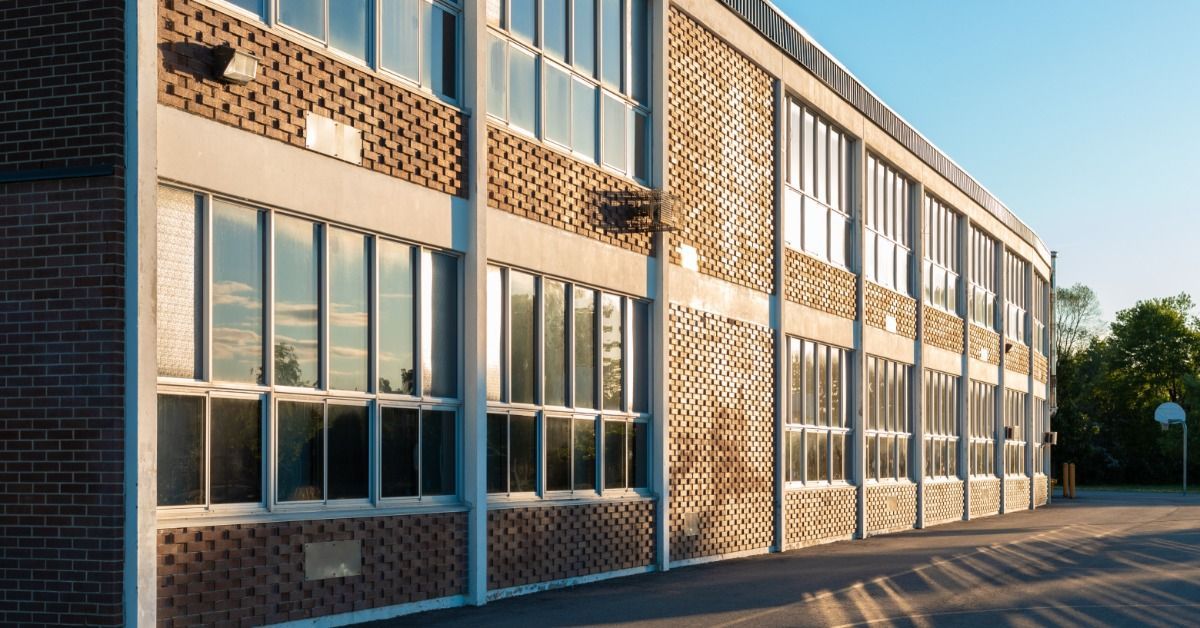
Doors with adjacent glass panels, front office areas, and ground-level windows are especially exposed. Property owners position these areas for accessibility and visibility, which can unintentionally simplify breaches. As a result, improving the strength and resilience of glass surfaces has become an important consideration in school safety planning.
What Security Window Film Is Designed To Do
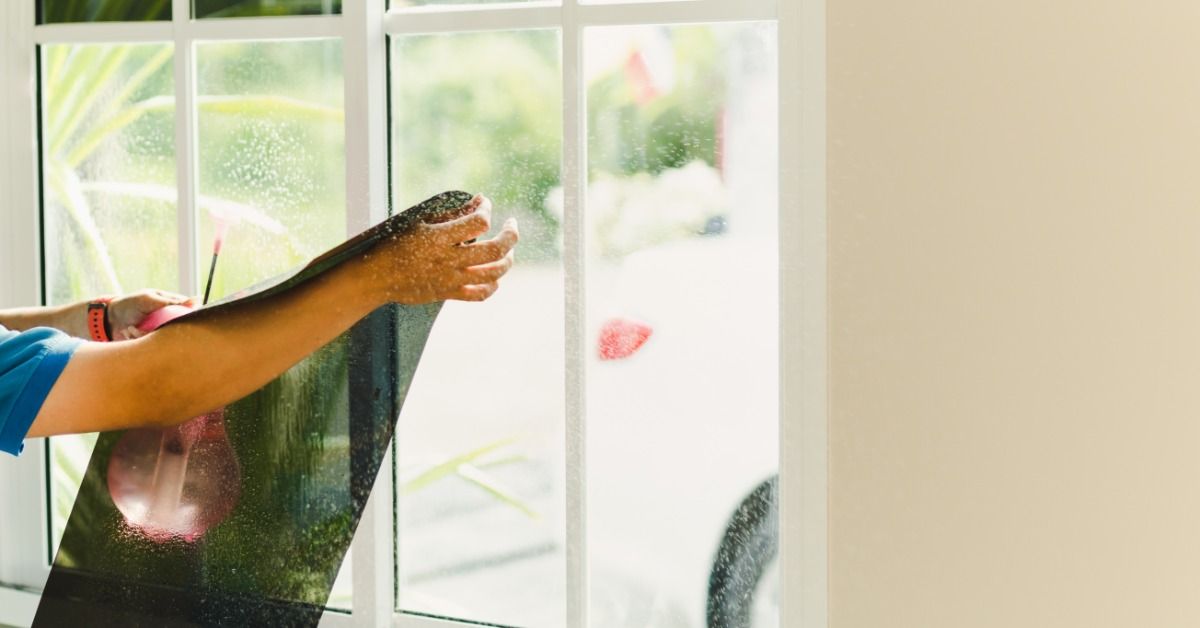
Security window film is a specialized material applied directly to existing glass surfaces. Its primary purpose is to hold shattered glass together when impact occurs, reducing the likelihood of immediate entry and minimizing the spread of broken shards.
It is important to understand that this type of film does not make glass unbreakable. Instead, it reinforces the glass so that it remains intact longer under stress. This delay can provide valuable time during emergency situations, allowing staff and responders to act according to established safety protocols.
Performance Factors That Matter in School Settings
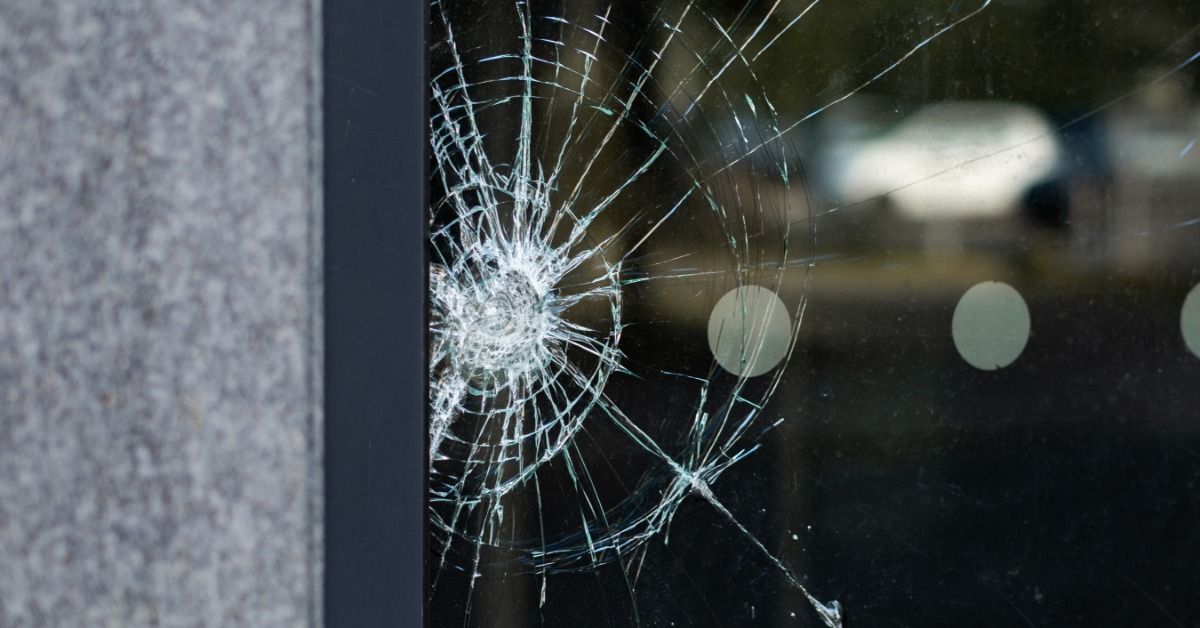
Not all security films perform the same way, and selecting the right product involves understanding a few core characteristics. Consider thickness, adhesive strength, and the frame anchoring method to influence how glass behaves under impact.
Thicker films generally provide greater resistance, while advanced adhesive systems improve how well the film bonds to the glass surface. In some cases, installers use additional attachment systems to secure the film to the window frame, enhancing the film's ability to hold glass in place during forceful impact.
Thickness, Adhesion, and Anchoring Considerations
Performance depends on how these elements work together, but a thicker film without proper anchoring may not deliver the same level of protection as a slightly thinner film that is fully integrated with the frame system. For schools, this balance is important because it determines how effectively the film supports overall safety objectives.
Evaluating these factors during planning assists with selecting the solution that aligns with the specific needs of the building and its layout.
Entry Points To Prioritize Across a Campus
When planning installation, it is not always necessary to apply film to every piece of glass immediately. Prioritizing high-risk areas allows schools to improve safety efficiently while managing budgets and timelines. This targeted approach allows decision-makers to allocate resources where they will have the most immediate impact.
Security experts recommend addressing main entrances, doors with sidelights, and ground-level windows first. These locations are more likely to experience direct impact or attempted entry. Once security teams secure these areas, they can evaluate additional sections of the campus for future upgrades. Expanding coverage in stages allows schools to refine their strategy based on observed needs and operational feedback.
Day-to-Day Benefits Beyond Forced Entry Delay
While security is the primary focus, reinforced glass can also provide everyday benefits. When glass breaks due to accidents or severe weather, the film helps contain fragments, reducing the risk of injury to students and staff.
Additionally, the presence of reinforced glass can contribute to a greater sense of safety within the building. While it does not replace other safety measures, it complements them by addressing a physical vulnerability that exists in many school environments.
How Installation Works With Minimal Disruption
Installers can apply window film without making major structural changes. Installation is typically completed from the interior, allowing work to proceed without altering the building’s exterior appearance.
Plus, facility managers can adjust scheduling to align with school calendars, breaks, or after-hours periods to minimize disruption. Since the process avoids removing existing glass, installers complete most projects efficiently while maintaining normal building use.
Compliance and Emergency Planning Considerations
Schools should also coordinate with local emergency responders during the planning phase to confirm that upgrades align with response procedures. Early collaboration can prevent conflicts between security improvements and emergency access requirements.
Planning should account for how reinforced glass interacts with emergency procedures. For example, clear communication, appropriate signage, and coordination with local authorities to ensure that safety improvements support established protocols.
Egress, First Responder Access, and Signage
Maintaining clear exit paths is always a top priority, so security enhancements should never compromise the ability of occupants to leave the building quickly. Working with experienced professionals ensures installation meets both safety goals and regulatory requirements.
Maintenance, Inspection, and Long-Term Expectations
Once installed, window film requires relatively minimal maintenance, meaning routine cleaning and periodic inspections keeps the film in good condition and continues to perform as intended.
Over time, exposure to sunlight and environmental conditions may affect appearance, but performance typically remains consistent when the film is properly installed. Establishing a simple inspection schedule allows schools to monitor condition and plan for future updates.
Building Safer School Environments With Practical Upgrades
Improving school safety involves multiple layers, from policies and training to physical building enhancements that address real vulnerabilities. Reinforcing glass surfaces is one way to strengthen an existing structure without major disruption, especially when focusing on entry points that are more exposed.
For schools evaluating long-term safety improvements and wanting security window film in Houston that integrate with current infrastructure tends to be the most practical. Working with an experienced provider like Sun Pro Glass Tinting allows administrators to assess their building layout, prioritize key areas, and plan installation with minimal interruption. With the right approach, security window film is a simple upgrade for safer schools for a realistic step toward creating a more secure campus environment.