




Ceramic vs. Carbon Window Tint: Which is Better?
Property owners comparing window films usually want more than a simple list of features, because the right choice depends on how the material performs in daily conditions. Heat exposure, glare, indoor comfort, and the look of the glass all shape the decision, especially in spaces with large windows or long hours of direct sun. One film may sound better on paper, yet real value comes from how it fits the needs of the room, building, and budget.
Understanding which is better, ceramic or carbon window tint, comes from how each film is built and what that construction changes once it is installed. While both options improve comfort and reduce UV exposure, they differ in clarity, heat rejection, and long-term consistency, so the better fit depends on what matters most in the space.
How Ceramic Film Handles Heat and Light
Ceramic film stands out for the way it manages infrared heat, which becomes especially noticeable in rooms with direct afternoon sun. Instead of storing much of that heat within the film itself, ceramic material filters and rejects a substantial portion of solar energy before it can raise the interior temperature near the glass. That leads to a more stable indoor environment, which can make large windows more comfortable to sit near throughout the day.
While ceramic films attract attention for their clarity, the manufacturing process maintains a sharp view and a neutral appearance by engineering the material without the use of metals or dyes. This makes it an ideal choice for property owners who prioritize powerful solar control yet wish to preserve the original aesthetic of the glass from every angle.
Where Carbon Film Performs Well
Carbon film offers a different set of strengths, and that makes it appealing in the right setting. It absorbs heat and reduces glare effectively, which can improve comfort in many residential and commercial spaces without creating a mirrored or shiny finish. For property owners who want a softer, low-profile look, carbon film can feel more visually natural than products that appear more reflective.
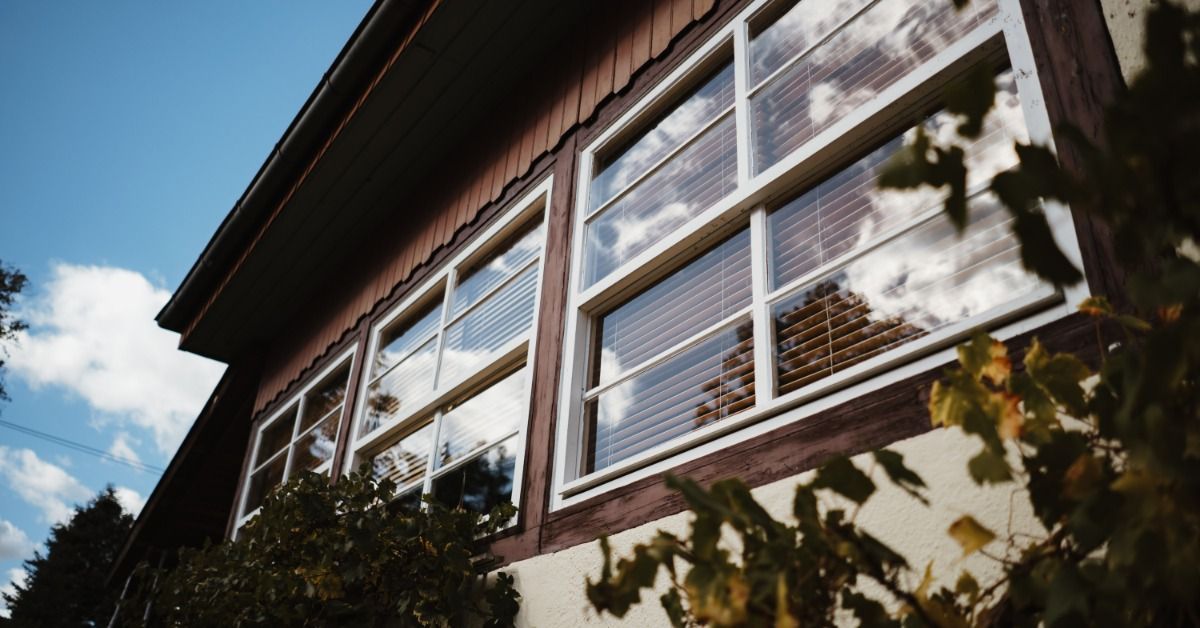
Its appearance is a major part of the appeal, though performance matters as well. Carbon film resists fading better than older dyed films, so it tends to hold its color and finish with more consistency. While it usually does not match ceramic film in top-end heat rejection, it can still deliver solid everyday performance where appearance, glare control, and budget are part of the decision.
Comparing Clarity and Exterior Appearance
The visual difference between these films may seem minor at first, yet it becomes more obvious after installation. Ceramic film preserves a crisp view from the interior, which matters in homes with outdoor views and in offices where natural light influences the space. The finish tends to remain subtle, so the glass does not look dramatically altered from the outside.
Carbon film creates a deeper tone that gives windows a stronger visual definition. Some property owners prefer that finish because it adds a refined look without pushing the glass into a reflective style. The interior view can feel slightly softer compared with ceramic film, though many people find that tradeoff reasonable when the goal includes a more subdued exterior appearance.
Which Film Makes More Sense in Houston Conditions
Sun exposure changes the conversation quickly in a climate like Houston, where strong light and heat put more pressure on glass performance. In that setting, films that reject more solar energy can create a noticeable difference in how rooms feel during the hottest parts of the day. Ceramic films usually hold the edge because they manage infrared heat with greater efficiency and consistency.
Carbon film still contributes to a more comfortable interior, particularly in spaces that need glare reduction and a balanced finish on the glass. Yet when a room gets heavy direct sun for long stretches, the difference in thermal performance can become easier to notice. For buildings with wide expanses of glass, that gap may weigh heavily in the final choice.
Durability and Long-Term Value
Ceramic film's advantage stems from dyes that may break down with prolonged exposure to sunlight. These contribute to more stable clarity and appearance over the life of the product, which matters when the goal is lasting performance.
Carbon film still offers dependable durability and performs well beyond older film types, but it usually sits in a different value category. Some buyers prefer it because it strikes a practical middle ground between price and performance. Others are willing to spend more upfront on ceramic film because they want stronger heat rejection and a product that tends to keep its original qualities longer.
Choosing Based on the Type of Space
The ideal film choice depends on the installation site, as different spaces dictate different priorities. In homes, comfort near sun-facing windows and preserving a clear outdoor view may push the decision toward ceramic film. In offices, the same benefit can matter for conference rooms, waiting areas, and workspaces where glare and solar heat affect daily comfort.
Carbon film may fit well in spaces where appearance or the budget needs tighter control without dropping to an entry-level product. For example, retail settings, mixed-use properties, and rooms that need glare reduction without a reflective finish, can all make good use of carbon film. The smartest choice usually comes from matching the product to the room, since there isn’t a one-size-fits-all answer.
Why Installation Quality Still Matters
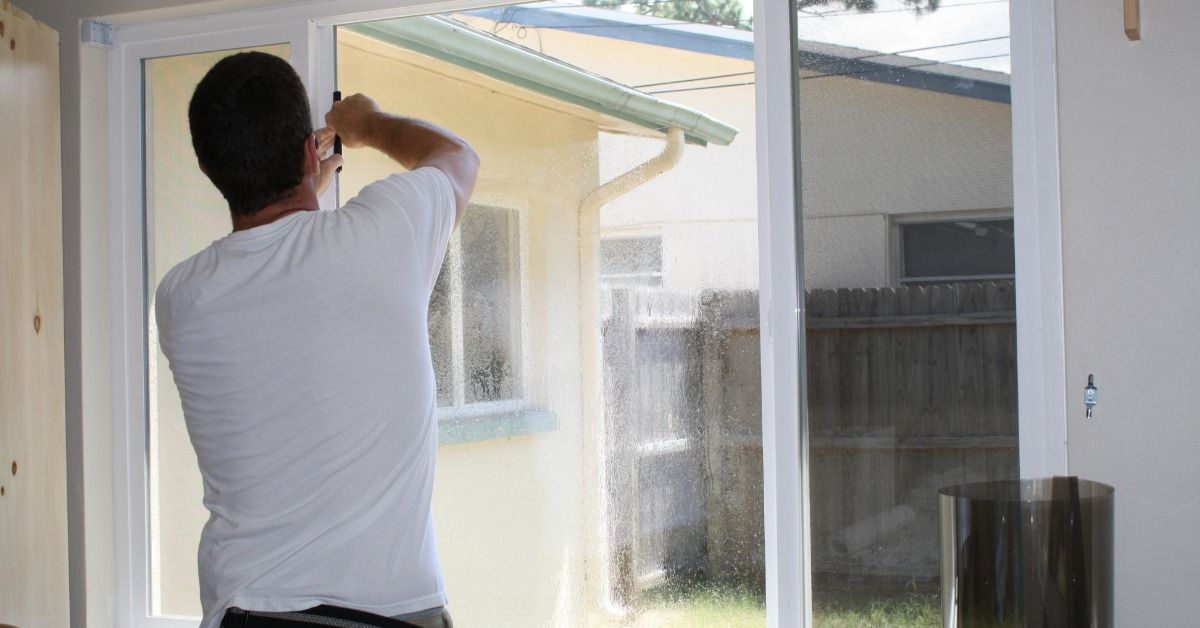
Even a strong film disappoints when technicians rush the installation or poorly match the product to the glass. Surface preparation, edge finishing, and accurate application all affect how the film looks and how well it performs once it cures.
That is why working with experienced window tint installers matters just as much as choosing between ceramic and carbon. A qualified team can evaluate sun exposure, glass type, and the demands of the space before recommending a film. That process leads to a more reliable result and reduces the chance of paying for a product that does not align with the building’s actual needs.
Make a Smarter Window Film Decision
Choosing the right film should feel like a practical decision about performance, appearance, and the needs of the property. Ceramic and carbon films both offer meaningful advantages, though they serve different priorities once technicians install them on real glass in real conditions.
For property owners who are still weighing if ceramic or carbon window tint is better, a professional assessment can narrow the choice quickly and keep the project aligned with the space. Sun Pro Glass Tinting works with residential and commercial properties across the Houston area and can recommend a film based on layout, exposure, and daily use. Reaching out for a consultation is a practical next step when you want the finished result to look right and perform well.