




10 Easy Physical Security Measures Any Business Can Take
Physical security is sometimes treated as a secondary concern, especially for small and mid-sized businesses that assume protection requires expensive systems or specialized infrastructure. Basic vulnerabilities, rather than sophisticated threats, cause most security risks, meaning thoughtful, practical improvements can make a measurable impact. Learn these easy physical security measures any business can take to create safer commercial environments while maintaining a professional, welcoming appearance.
Start With Strong Doors and Reliable Locking Hardware
Doors are the most common point of entry during break-ins, which makes their condition and hardware especially important for any business. Commercial spaces rely on residential-grade locks that fail under the stress of repeated use or forced entry attempts. Entryways with loose frames, worn strike plates, and misaligned doors quietly increase vulnerability, even when locks appear functional.
Upgrading to commercial-grade locking hardware addresses this issue by improving durability and consistently latching doors. When doors align properly and secure every time, businesses eliminate opportunistic entry.
Limit the Number of Active Entry Points
While multiple entrances can feel convenient, each additional access point increases the challenge of monitoring who enters and exits the building. Businesses that keep every door open during operating hours do so out of habit rather than necessity, unintentionally creating blind spots in their security strategy. Reducing active entry points allows staff to better observe foot traffic without limiting customer access.
After hours, restricting entry to a single, well-secured door further reduces exposure and simplifies closing procedures. Concentrating access also makes supporting measures, such as lighting and cameras, more effective by focusing attention on fewer locations.
Use Exterior Lighting To Eliminate Concealment
Lighting remains one of the most effective deterrents because it removes the anonymity that unwanted activity requires. Poorly lit entrances, walkways, and parking areas create shadows that make suspicious behavior easier to miss, particularly during early morning or evening hours. So, install consistent exterior lighting to improve visibility while signaling that the property is actively maintained.
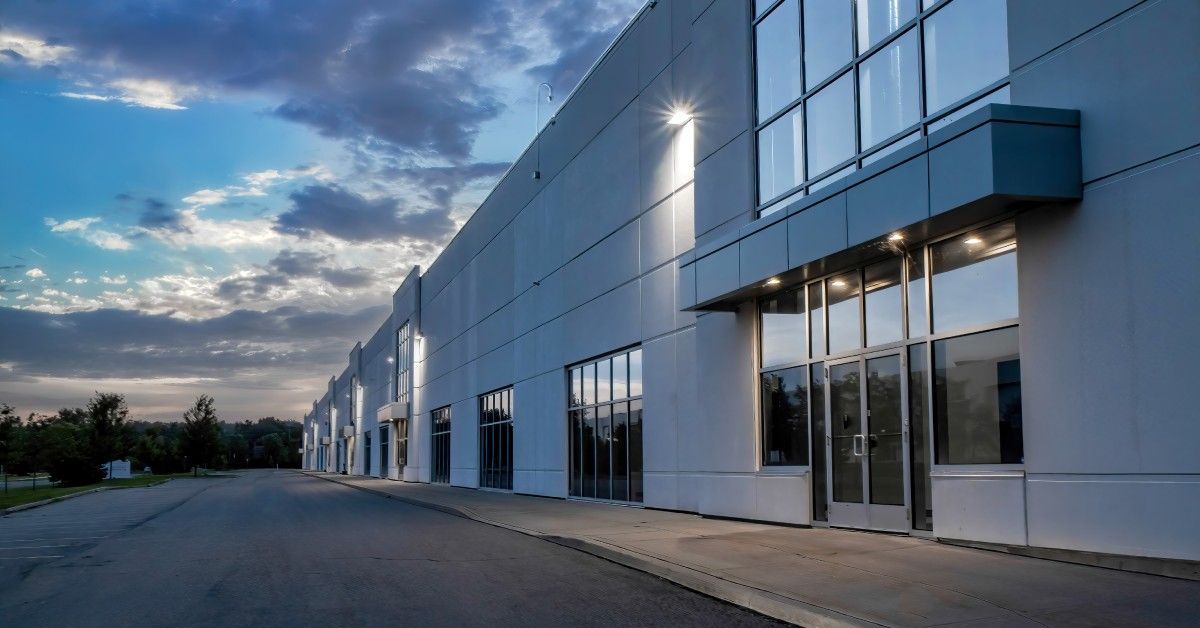
In lower-traffic areas, motion-activated lighting adds an additional layer of deterrence by drawing attention to movement. Sudden lighting changes discourage lingering and increase the likelihood that observers notice unusual behavior. Together, these lighting strategies reduce risk without disrupting normal business operations.
Maintain Clear Sightlines Around Doors and Windows
Physical security depends on visibility, yet many organizations fail to prioritize it. Obstructed sightlines caused by signage, displays, or landscaping can unintentionally create hiding places near doors and windows. These blind spots make it easier for unauthorized activity to go unnoticed, even in well-lit areas.
Keeping entrances and ground-level windows visible from the street or parking area increases natural surveillance. When employees, customers, and passersby can clearly see activity around the building, suspicious behavior becomes harder to conceal. As a result, businesses benefit from both increased awareness and reduced vulnerability.
Install Visible Security Cameras for Deterrence
Security cameras provide value long before footage is ever reviewed. Visible cameras near entrances, reception areas, and loading zones communicate that security personnel monitor all activity. Even the perception of security can influence behavior and deter opportunistic incidents.
While advanced systems offer expanded functionality, even basic camera setups can improve deterrence when placement is intentional. Cameras should focus on capturing faces and access points rather than wide, unfocused areas. Proper positioning of the system supports prevention as much as documentation.
Reinforce Boundaries With Clear Security Signage
Security signage can set expectations without requiring constant staff involvement. Strategic signage marks monitored areas and restricted zones, reminding visitors of permitted boundaries while reinforcing the presence of security measures. This clarity prevents accidental boundary violations while discouraging intentional ones.
When signage is professional and strategically placed, it supports security efforts without creating an unwelcoming atmosphere. In customer-facing environments, businesses must balance protecting their space while maintaining a positive experience for legitimate visitors.
Strengthen Windows To Delay Forced Entry

Windows are frequently targeted during break-ins because they may see them as easier and faster to breach than doors. Reinforcing glass helps delay entry, which can be enough to discourage attempts altogether. Short delays increase the likelihood that observers notice the activity or that the intruder abandons the attempt.
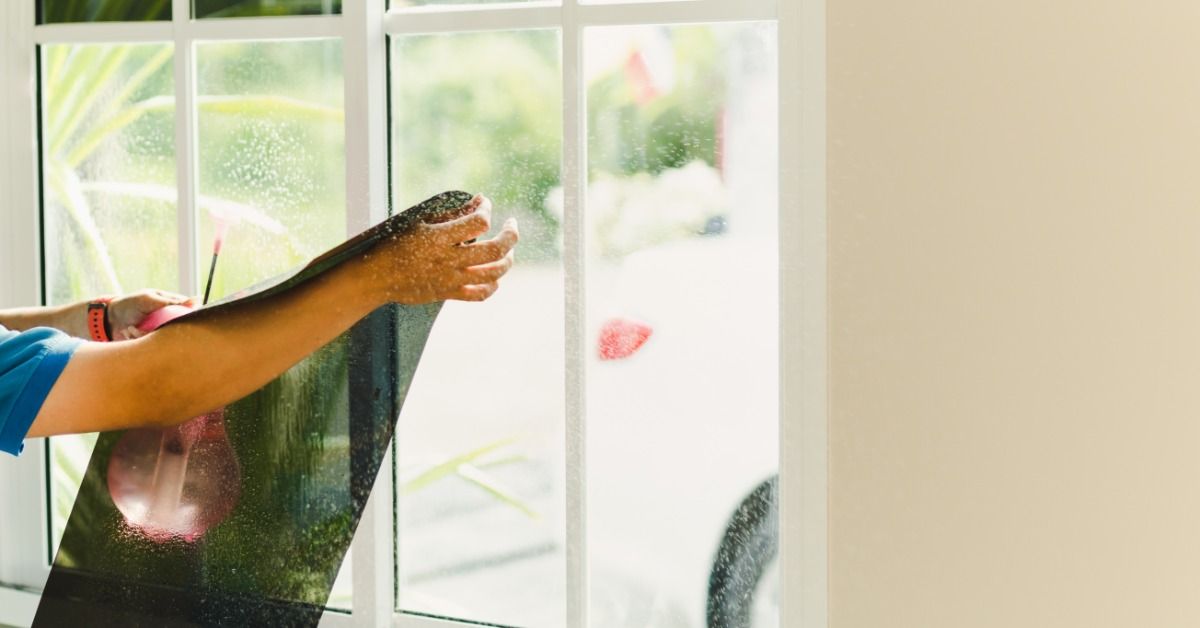
Also, applying safety window film strengthens existing glass, so it resists shattering under impact, reducing the effectiveness of smash-and-grab attempts. Upgrading existing glass with security film enhances protection without altering the building’s appearance or requiring window replacement and easily fits within a commercial property's safety improvement plan.
Secure High-Value Items After Hours
External security measures are only part of an effective strategy. Internal practices also limit loss if entry does occur. Leaving valuable equipment, inventory, or sensitive materials visible increases risk unnecessarily, particularly in spaces with public-facing windows.
Securing these items in locked cabinets or designated storage areas reduces both temptation and potential loss. Obscuring views into the building after hours further discourages opportunistic individuals from targeting the facility.
Control Keys and Access Credentials Carefully
Access-related vulnerabilities develop gradually rather than through a single failure. Untracked keys, shared access codes, and outdated credentials can undermine security. Without clear oversight, businesses may not realize how many people retain access until an issue arises.
Maintaining a record of who has keys or codes, while updating permissions when staffing changes occur can reduce internal risk. Limiting access to only what employees need also improves accountability and simplifies management, especially as teams grow or change.
Establish and Follow Consistent Closing Procedures
Even the strongest security measures lose effectiveness when teams apply them inconsistently. Clear closing procedures should require staff to lock doors, secure valuables, and activate security systems every night. Lacking a routine makes staff more likely to miss important steps.
Assigning responsibility and documenting procedures creates accountability while reducing reliance on memory alone. Consistent routines strengthen security with protections in place regardless of staffing changes or daily variability.
Build a Safer Business With Simple, Practical Improvements
Effective physical security does not require dramatic changes or major investment. When layered together, these measures create meaningful protection that supports both safety and a less stressful environment. By addressing visibility, access control, and reinforcement, businesses can implement easy physical security measures any business can take while continuing to operate smoothly.
For businesses looking to strengthen vulnerable glass without replacing windows, Sun Pro Glass Tinting offers professional commercial solutions designed to enhance durability and protection. Contact Sun Pro Glass Tinting to schedule a consultation and learn how professionally installed window film can support a safer, more secure commercial space.