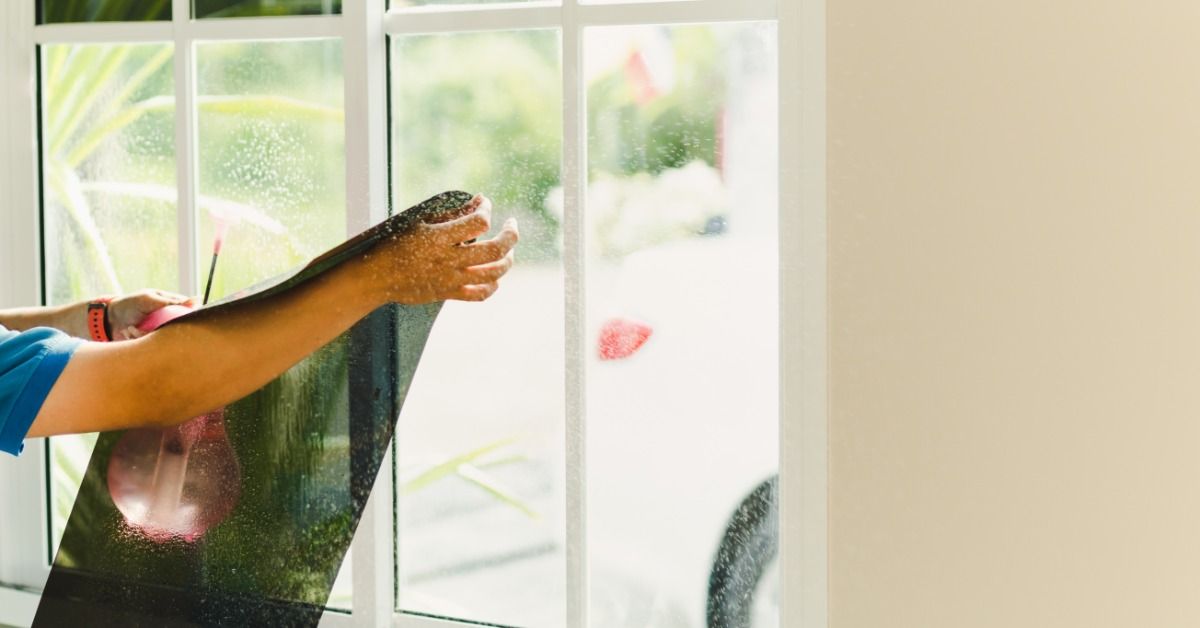





How To Calculate the Cost of Commercial Window Tinting
Budgeting for building improvements has multiple variables that influence the final cost, and window film projects are no exception. Pricing can vary depending on the size of the glass, the type of film selected, and the complexity of installation conditions.
To break down the process into manageable steps, you must understand how measurements, materials, and labor interact. Property owners can develop a more reliable expectation before reaching out to installers, using this guide that explains how to calculate the cost of commercial window tinting.
What “Cost” Really Includes on a Commercial Project
The total price of a window tinting project includes material costs, labor, site preparation, and building conditions. Commercial properties may also present unique challenges, such as large panes, multiple floors, or restricted access, which can increase installation time.
In addition, different spaces within the same building may require different film solutions. For example, offices, storefronts, and conference rooms may have varying needs, which can influence both material selection and installation complexity. As a result, pricing reflects a combination of product performance and the conditions to install it properly.
Step 1: Measure Glass the Way Installers Price It
Accurate measurements form the foundation of any cost estimate. Installers typically calculate pricing based on the total square footage of glass being covered. This involves measuring the width and height of each pane and converting those dimensions into square feet.
Because many people measure in inches, convert your measurements to align with pricing standards. Even small measurement errors can lead to noticeable differences in overall cost, especially on larger projects. Taking the time to measure carefully helps estimates remain realistic and comparable across providers.
Common Measuring Mistakes That Skew Budgets
One of the most frequent issues is rounding measurements too early. While rounding simplifies calculations, it can underestimate total square footage when applied repeatedly across multiple windows. Another common mistake involves overlooking smaller panes or sidelights, which still contribute to the total material required.
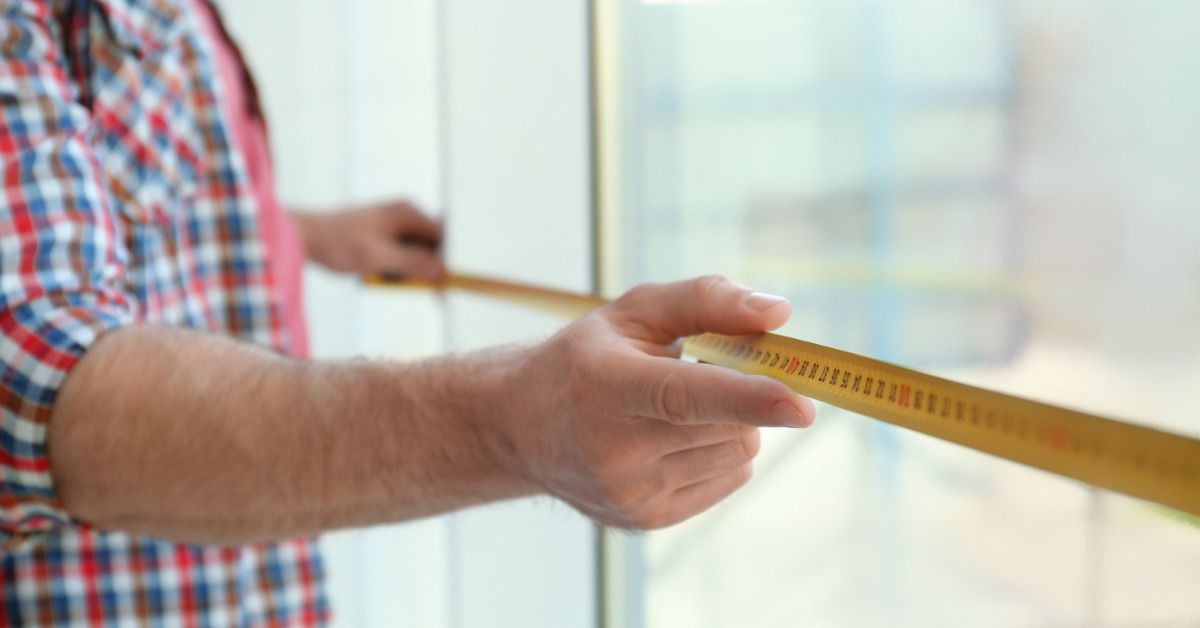
Stay consistent when measuring some windows, don’t do some inches and others in feet as this can create confusion during calculations. Keeping all measurements uniform ensures that square footage totals remain accurate and easy to work with when estimating costs.
Step 2: Identify Film Category and Performance Needs
Not all films cost the same, and the type you select determines the project's cost. Manufacturers design some films primarily for solar control, while others prioritize privacy, glare reduction, or safety reinforcement. Each category comes with different performance levels and pricing structures.
Higher-performance films typically cost more per square foot because they offer advanced features, such as improved heat rejection or enhanced durability. Choosing the appropriate film depends on the building’s goals, whether that involves reducing cooling costs, improving comfort, or adding an extra layer of protection to glass surfaces.
Step 3: Account for Building Conditions That Affect Labor
Labor costs vary based on how easy it is to access and work on the glass. Ground-level windows are generally more straightforward to install than glass located on upper floors or in tight interior spaces. Projects that require lifts, scaffolding, or after-hours scheduling require additional planning and expense.
Interior obstacles can also influence labor time, such as moving or protecting furniture, fixtures, and equipment during installation, which increases the overall scope of work. You may overlook these logistical factors during early estimates, but they drastically affect the final quote.
Step 4: Factor Removal of Old Film and Glass Preparation
If existing film is already installed, removing it becomes part of the project scope. Older film degrades, leaving adhesive residue that you must carefully clean before you apply new material, and this process requires additional labor and time.
Proper surface preparation is necessary for achieving a clean, long-lasting installation. Even when no previous film is present, glass must be thoroughly cleaned to remove dust, oils, and debris. Skipping or underestimating this step can affect both appearance and performance, making it an important consideration in project pricing.
Step 5: Include Project Scope Add-Ons
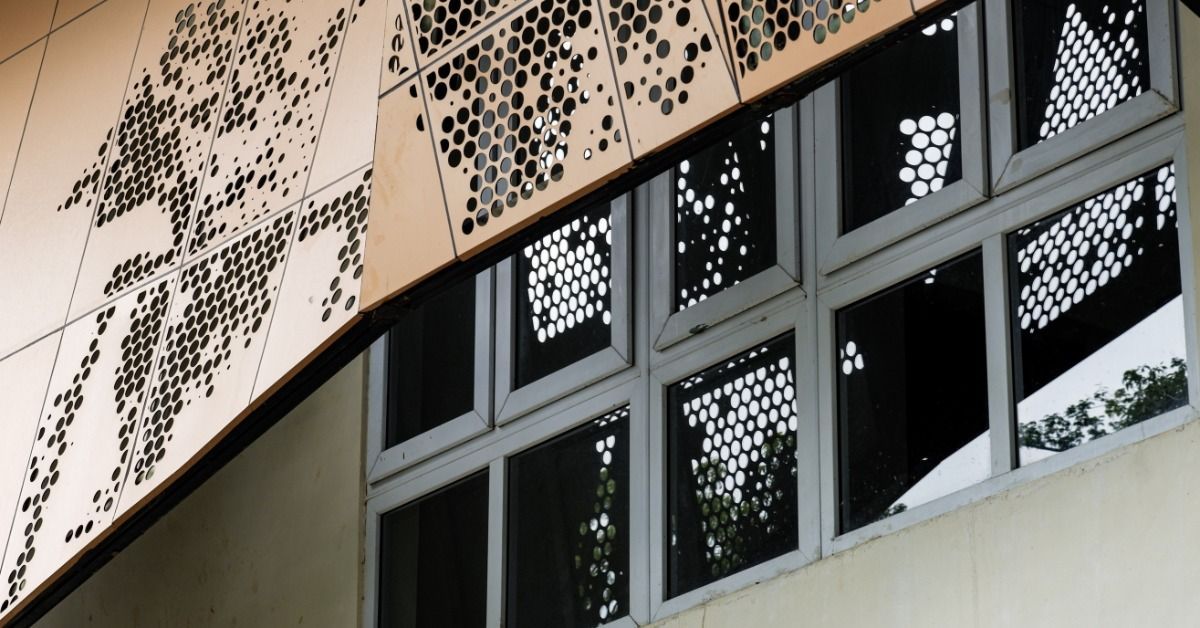
Some commercial projects involve more than standard window coverage. For example, decorative elements, such as privacy bands, frosted sections, or custom graphics, can add both visual appeal and functional benefits. These features require additional materials and precision during installation.
Specialty areas, including curved glass or unique architectural elements, may also increase costs due to the extra care required during application. While these additions remain optional, include them in early planning, so your final estimate reflects the full project's scope.
How To Compare Quotes Without Getting Trapped by a Low Number
Comparing quotes involves reviewing the film quality, installation methods, and project scope, which can all determine a final cost, and a low quote may mean low quality. Without understanding what each quote includes, it becomes difficult to determine which option provides the best value.
A detailed quote should outline material type, square footage, labor considerations, and any additional services. Evaluating these components side by side ensures that pricing comparisons remain accurate. In many cases, a slightly higher upfront cost may result in better long-term performance and fewer maintenance concerns.
Budget Planning: When Paying More Makes Operational Sense
While cost remains an important factor, consider it alongside performance and longevity. Higher-quality films may reduce cooling demands more effectively, which can lead to lower energy costs. In commercial settings, improved comfort can also contribute to a more productive environment.
Investing in commercial window tints that align with building needs delivers value beyond the initial installation. Selecting and installing the right film under proper conditions balances upfront cost and efficiency.
Planning a More Accurate Commercial Window Tinting Budget
Addressing each variable individually clarifies project cost estimates. To do this, you must measure glass accurately, select the right film, and account for labor conditions, which all contribute to a more reliable budget plan. Rather than relying on rough averages, breaking the process into steps provides a stronger foundation for decision-making.
For property owners preparing a project, understanding how to calculate the cost of commercial window tinting can set realistic expectations and simplifies the quoting process. Reviewing options with a professional installer can further refine estimates and ensure the selected solution matches both performance goals and budget considerations. Businesses looking to move forward can explore commercial tinting solutions through Sun Pro Glass Tinting and request a tailored estimate based on the building’s specific needs.