




Interior or Exterior Window Tint: How To Choose Between Them
Window tinting enhances comfort, privacy, and energy efficiency in your home or business. By reducing solar heat gain, blocking harmful UV rays, and minimizing glare, it changes your space into a more pleasant and protected environment. When you begin to explore your options, you will encounter a fundamental choice: should you apply the film to the interior or the exterior of your windows?
Each application method has distinct advantages and is best for different scenarios. The right choice depends on your specific goals, the type of windows you have, and the unique environmental challenges your property faces. This guide provides a detailed comparison of how to choose between interior and exterior window tints.
Understanding Interior Window Tint
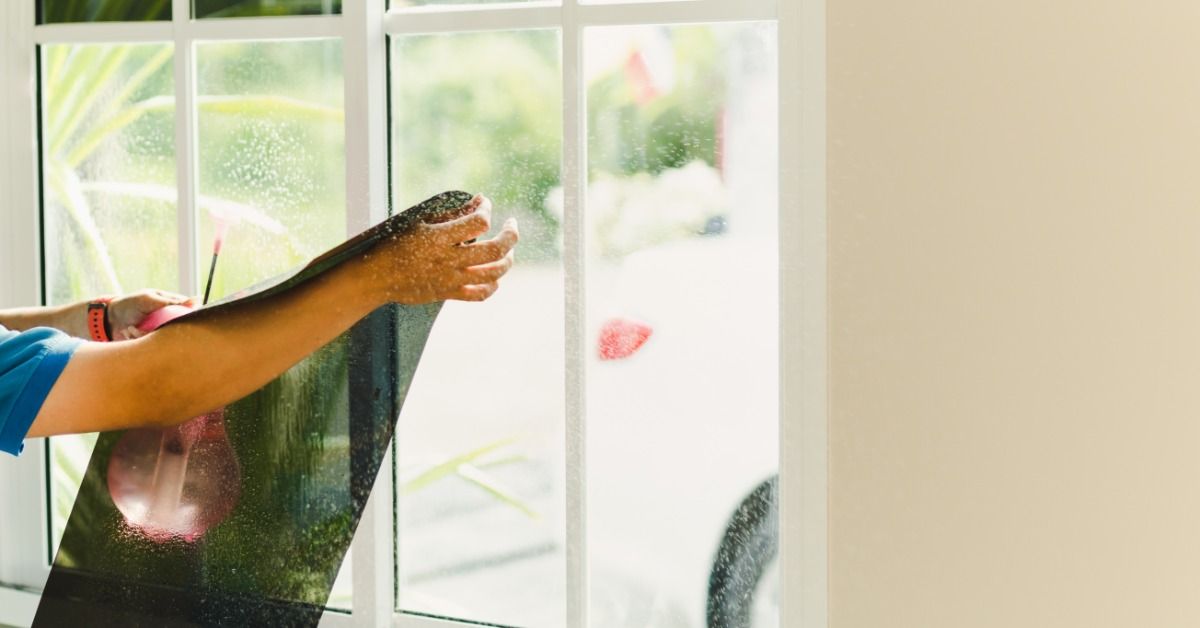
Interior window tint is the most common application for both residential and commercial properties. As the name implies, a professional installer applies the film directly to the inside surface of the window glass. This placement offers several benefits that make it a popular and practical choice for many property owners.
Advantages of Interior Application
This makes interior tinting an excellent choice for homeowners and businesses looking for a cost-effective way to increase comfort and protect their interiors from harmful UV rays. Its versatility can meet a wide range of aesthetic and functional needs.
Durability and Longevity
The primary advantage of interior tint is its protection from the elements. Shielded from rain, wind, dust, and direct physical impact, the film maintains its integrity and appearance for many years. This controlled indoor environment extends the film's lifespan, often backed by long-term manufacturer warranties.
Ease of Maintenance
Cleaning interior-applied film is simple. It only requires a soft cloth and a gentle, non-abrasive cleaning solution, much like normal window cleaning. You do not have to worry about exterior dirt, pollen, or pollutants degrading the film, making upkeep minimal.
Cost-Effectiveness
Generally, interior window films and their installation are more budget-friendly than their exterior counterparts. The materials don’t require the same level of weather resistance, and the installation process is more straightforward, contributing to a lower overall project cost.
When is Interior Tint the Ideal Choice?
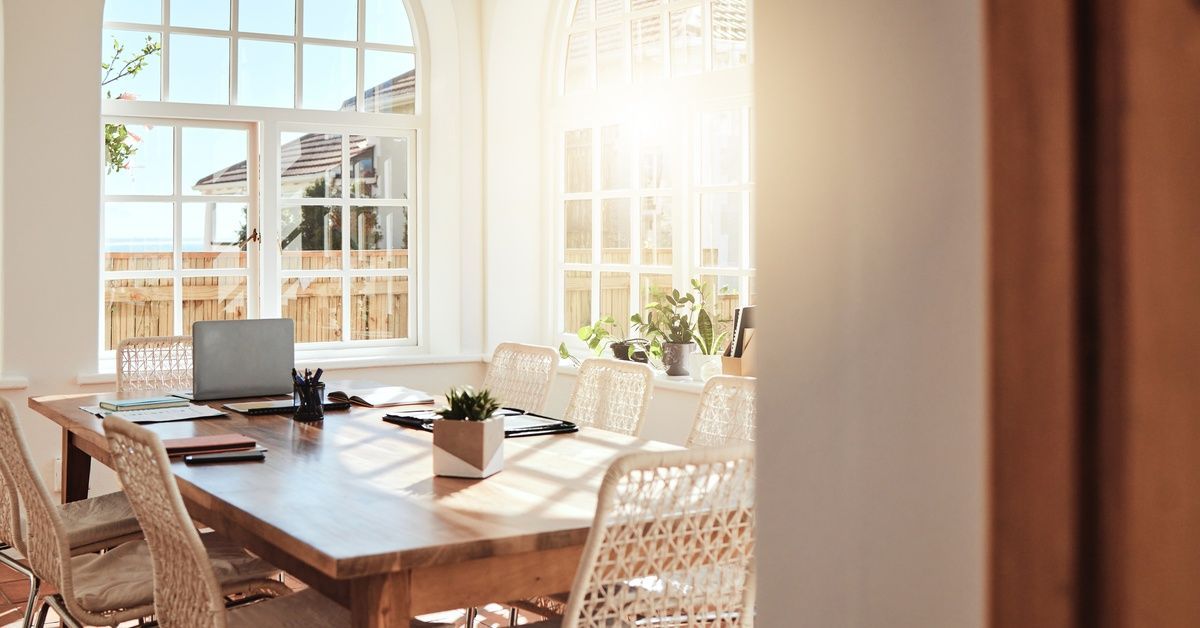
Interior tint is the go-to solution for most standard applications. If your primary goals are to reduce glare on screens, prevent furniture and flooring from fading due to UV exposure, and enhance daytime privacy, an interior film is highly effective. Properties with standard single-pane or older double-pane windows that do not have complex coatings are perfect for an interior installation. For most homeowners in the Houston area seeking an efficient and long-lasting upgrade, interior tinting provides an excellent return on investment.
Exploring Exterior Window Tint
Exterior window tinting involves applying a specially designed film to the outside surface of the window. This method requires a sturdier product engineered to handle harsh weather, direct sun exposure, and temperature fluctuations. While less common, exterior applications are the superior solution in specific, demanding situations.
Advantages of Exterior Application
For property owners seeking maximum energy efficiency, exterior window tints have advanced construction that is specifically engineered to handle the rigors of outdoor exposure. It delivers impressive performance results year after year.
Maximum Heat Rejection
The most significant benefit of an exterior tint is its ability to block solar energy before it even touches the glass. The film absorbs and reflects heat on the outer pane, preventing it from penetrating the window unit and heating your indoor space. This process is far more efficient at heat rejection than an interior film, which deals with heat that has already passed through the glass. This makes a noticeable difference in reducing cooling costs during Houston's hot and humid summers.
Compatibility With Modern Windows
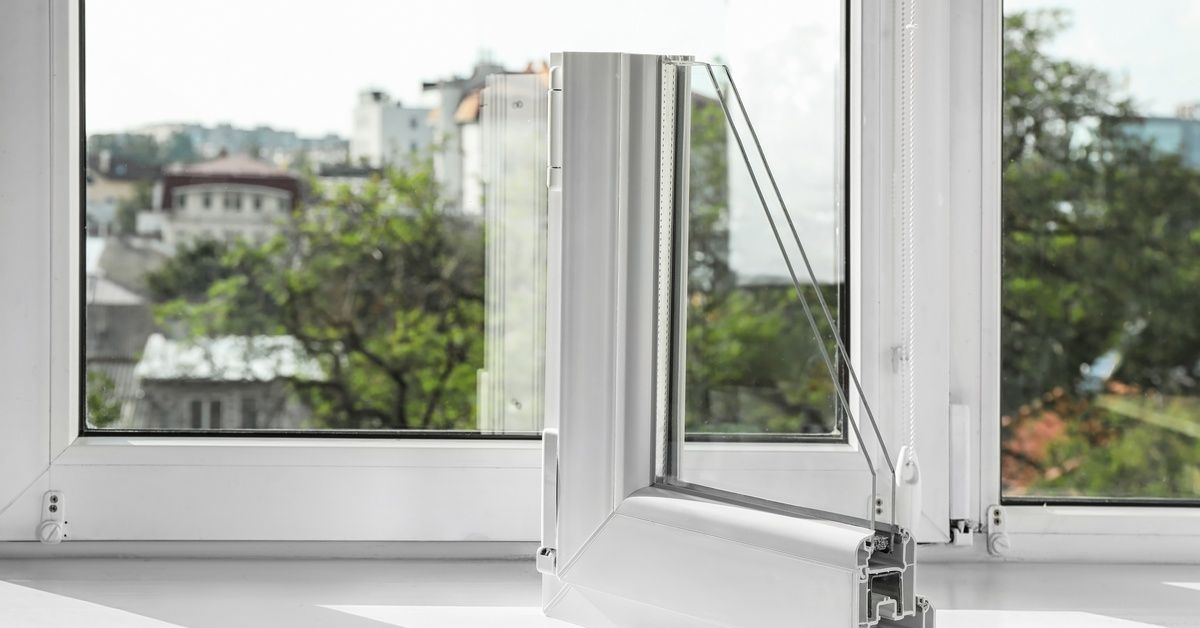
Many modern, high-end homes and buildings feature advanced window systems, such as double-pane, triple-pane, or low-emissivity (Low-E) glass. So, know which kind you have before applying a heat-absorbing film to the interior of these windows. This can trap heat between the panes, creating thermal stress that could damage the seals or even cause the glass to crack. Exterior films avoid this risk entirely by stopping the heat on the outside, making them the safe and recommended choice for these specialized window types.
Enhanced Performance for Unique Situations
If certain windows on your property receive intense, direct sunlight for most of the day, an exterior film will deliver superior performance in keeping those specific rooms cool. It is also the only viable option for windows that are inaccessible from the inside, such as sealed skylights or certain architectural glass installations.
When is Exterior Tint the Right Solution?
Use exterior tint if your property has newer, energy-efficient double-pane or Low-E windows. It's the best choice if your primary objective is aggressive heat reduction to lower your energy bills. For properties with extreme sun exposure or those seeking the highest level of performance, the investment in an exterior film pays dividends in comfort and energy savings.
A Direct Comparison: Interior vs. Exterior
To simplify your decision, here is a direct comparison of these factors:
- Performance
- Interior: Reliable heat and UV rejection, great for most residential and commercial spaces.
- Exterior: Superior heat rejection, excellent for areas with intense, direct sunlight or higher cooling needs.
- Durability
- Interior: Longer-lasting since the film is out of the elements.
- Exterior: Built tough but faces more wear from weather; may have a shorter lifespan compared to interior films.
- Cost
- Interior: Generally more affordable for both product and installation.
- Exterior: Higher upfront investment due to specialized materials and installation but can offer increased energy savings.
- Window Type Compatibility
- Interior: Best for single-pane and older windows without advanced coatings.
- Exterior: Ideal and safer for modern double-pane, Low-E, or specialty glass to prevent thermal stress.
- Maintenance
- Interior: Easy to clean, with little regular upkeep required.
- Exterior: Needs more frequent cleaning and may require periodic replacement due to weather exposure.
- Best Uses
- Interior: Homeowners seeking UV protection, glare reduction, privacy, and longevity.
- Exterior: Properties needing maximum heat reduction or with specialized window glass.
Making the Right Choice for Your Houston Property
Since you have some insight on how to choose between interior and exterior window tint, you know your decision should align with your specific needs, window types, and performance expectations. For many homeowners, a high-quality interior film provides the perfect balance of performance, durability, and value.
However, if your home features modern, complex window systems or if you want maximum heat reduction, an exterior film is a more effective and safer investment. Navigating these options is best done with expert guidance. A professional can assess your windows, discuss your goals, and analyze your property's unique sun exposure to provide a detailed recommendation.
Partner With the Experts at Sun Pro Glass Tinting
Don't leave your decision to chance. The team at Sun Pro Glass Tinting has the expertise to evaluate your home or business and recommend the ideal window tinting solution, like commercial window tints, for your needs and budget. We work with you to understand your priorities, whether it's reducing energy costs, protecting your interiors, or enhancing privacy.
Contact Sun Pro Glass Tinting today to schedule your free, no-obligation consultation and discover the perfect tinting solution for your Houston-area property.