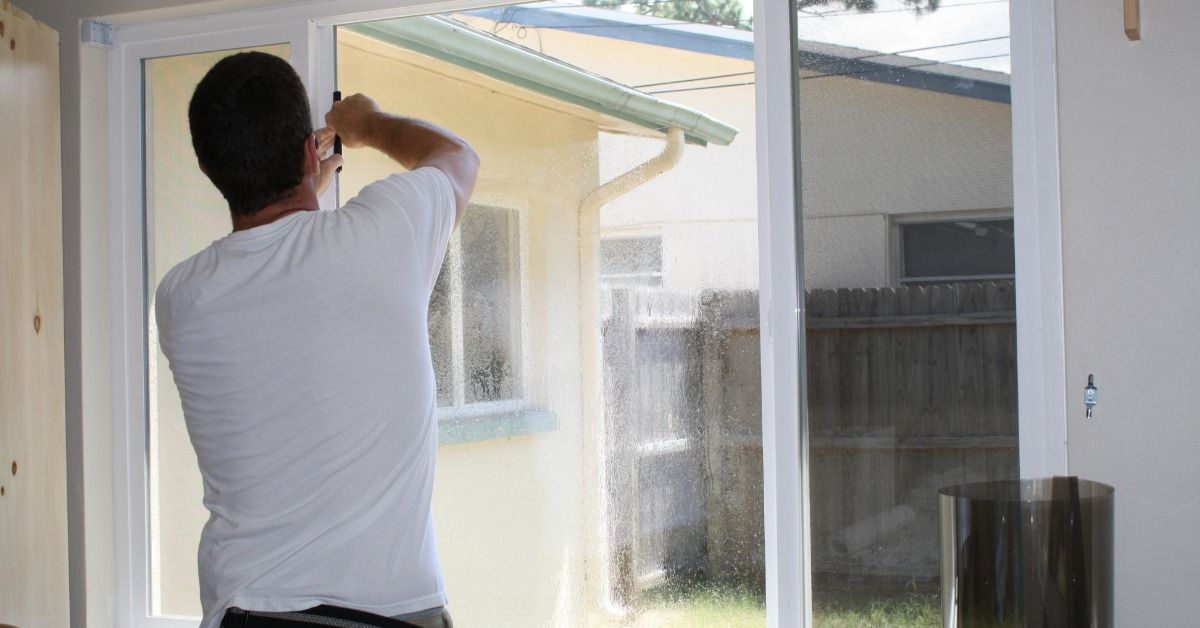





How Much Should You Tint Your Home’s Windows?
The elegance of a high-end home often lies in its details, such as the expansive windows that frame your views and fill your rooms with natural light. Yet, these same features can introduce challenges, like intense glare, soaring energy costs, and compromised privacy. With today's advanced window films, you can achieve a perfect balance of comfort, efficiency, and security without sacrificing your aesthetic.
Choosing the right level of tint is the key to unlocking these benefits. This guide will help you determine how much you should tint your home’s windows while considering factors like your specific goals and the nuances of different film technologies. Enhance your home's performance and appearance with an investment that serves you well for years to come.
Defining Your Primary Objective for Window Tinting
Before exploring shades and materials, the first step is to clarify what you hope to achieve. Are you primarily concerned about reducing energy consumption? Or is your goal to increase privacy from nearby neighbors?
Perhaps you wish to protect fine art, custom furniture, and hardwood floors from the fading effects of ultraviolet (UV) radiation. Each objective points toward a different type of film and level of tint. Identifying your top priority will streamline the selection process with a result that meets your highest expectations.
Understanding Visible Light Transmission (VLT)
When discussing window tint, the metric you use is visible light transmission (VLT). VLT is a percentage that indicates how much light passes through the film. This means that a lower VLT percentage is a darker tint, allowing less light to enter.
For instance, a film with a 70 percent VLT is very light and nearly clear, while a film with a 20 percent VLT is significantly darker. Understanding this measurement helps you choose a tint that provides the right balance of light, privacy, and heat rejection for your specific needs.
Optimizing for Energy Efficiency and Heat Reduction

For many homeowners, the primary driver for installing window film is to improve energy efficiency. Unprotected windows account for a substantial amount of solar heat gain, forcing your air conditioning system to work harder and increasing utility bills. High-performance solar control films can reject a significant portion of solar energy.
To maximize heat reduction, a film with a lower VLT, typically in the 20–40 percent range, is highly effective. These films absorb or reflect solar heat before it enters your home, maintaining a more stable and comfortable indoor temperature. Modern ceramic and spectrally selective films can block a high degree of heat without being too dark, preserving natural light.
Enhancing Daytime Privacy Without Sacrificing Views
Privacy is a common concern, especially for homes situated close to other properties or public areas. Window tinting offers an elegant solution for preventing outsiders from seeing into your home during the day. For this purpose, darker and more reflective films are ideal.
Tints with a VLT of 15 percent or lower create a "one-way mirror" effect in the daytime, where the exterior appears reflective while you maintain a clear view from the inside. This allows you to enjoy your surroundings in complete privacy. It is important to note that this effect reverses at night when interior lights are on, so pairing films with window treatments remains a good strategy for evening privacy.
Protecting Your Interiors From UV Damage
UV radiation is a silent threat to your home's valuable interiors. It is the leading cause of fading and degradation for furniture, flooring, artwork, and textiles. Almost all high-quality window films, regardless of their darkness, block up to 99.9 percent of harmful UVA and UVB rays.
This means you do not need a dark tint to get exceptional UV protection. Even optically clear films can provide a powerful shield, preserving the integrity and color of your belongings. This allows you to protect your investments without altering the look of your windows or the amount of light entering your home.
Reducing Glare for Improved Comfort

Intense glare can make it difficult to work on a computer, watch television, or simply relax in a sun-filled room. Window tinting effectively diffuses and reduces the intensity of incoming light, minimizing eye strain and enhancing visual comfort. The amount of glare reduction is directly related to the VLT.
A film with a 25–50 percent VLT is an excellent choice for living rooms and home offices, striking a balance between glare control and maintaining a bright, pleasant atmosphere. By softening the harshness of direct sunlight, you create a more usable and enjoyable space throughout the day.
Choosing the Right Tint for Different Rooms
Not every window in your home requires the same solution. Select films based on each room's function and orientation. For example, south- and west-facing rooms that receive intense afternoon sun may benefit from a lower VLT film for maximum heat rejection.
In bedrooms and media rooms, a darker tint can enhance privacy and create a more restful environment. Conversely, kitchens and entryways need a lighter, higher VLT film that preserves natural light while still offering UV protection and some heat control. Use a customized plan for optimal performance throughout your home.
Considering Aesthetics and HOA Regulations
Modern window films are available in a range of shades, from neutral tones to subtle reflective finishes, designed to complement your home's architectural style. The goal is to enhance, not detract from, your property's curb appeal.
Before making a final decision, consult your Homeowners' Association (HOA) guidelines. Some communities have specific rules regarding the darkness or reflectivity of window films to maintain a uniform exterior appearance. Verifying these requirements beforehand prevents any potential compliance issues.
The Advantage of Professional Consultation
Navigating the options for window film is best with a professional. Consultations provide personalized guidance that fits your home's unique characteristics and your specific goals. An expert can demonstrate film samples on your actual windows, allowing you to see exactly how different tints will look and perform.
This hands-on consultation removes the guesswork, aligning your expectations for performance and aesthetics perfectly. A specialist also identifies solutions you may not have previously considered, such as advanced spectrally selective films that offer high heat rejection with minimal visible tint.
Make the Right Choice for Your Home
Knowing how much you should tint your windows is an investment in your home’s comfort, efficiency, and longevity. By carefully considering your goals, you can choose a solution that delivers exceptional value and enhances your daily life.
Are you ready to find the perfect residential window tinting in Houston for your home? Contact the experts at Sun Pro Glass Tinting today for a professional consultation. We will help you assess your needs and recommend the ideal window film to protect your home and elevate your comfort.