




How To Prevent and Fix Your Bubbling Window Tint
A smooth window film installation should settle evenly against the glass, which makes unexpected bubbles easy to notice when they interrupt an otherwise clean surface. The cause is not always a failed installation, however, because newly applied film can temporarily show moisture beneath the surface while it cures. Bubbles that appear later or remain after curing can point to contamination beneath the film or a problem with the adhesive bond. Knowing how to prevent and fix your bubbling window tint starts with identifying which of these conditions you are seeing.
Trying to flatten every bubble as soon as it appears can damage film that simply needs more curing time. A better approach considers when technicians installed the film, how the affected area looks, and whether its appearance continues to change.
First, Determine Whether the Film Is Still Curing
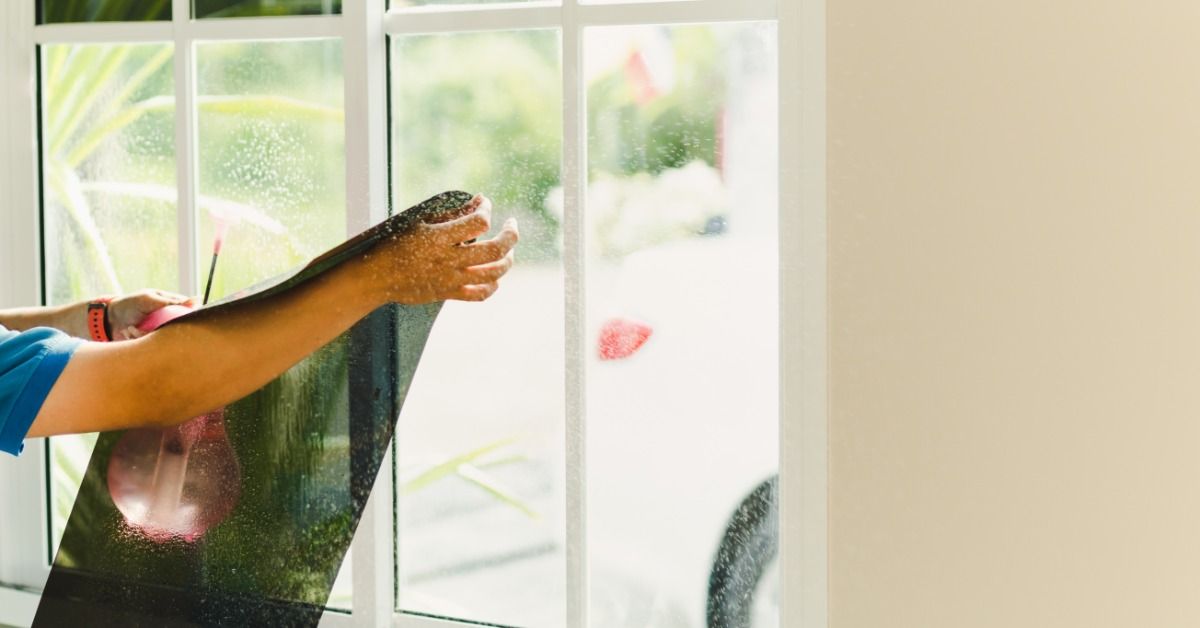
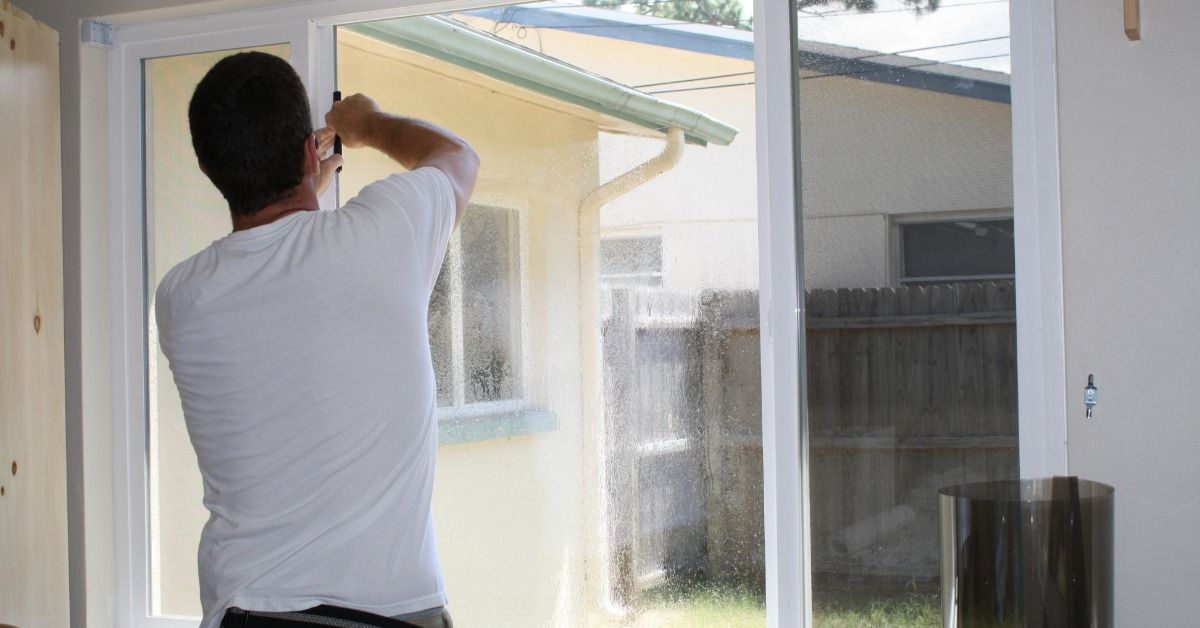
Window film installation requires an application solution that allows technicians to position the material correctly and create consistent contact with the glass. Some of that moisture can remain visible beneath the film immediately after installation, producing small pockets or a slightly hazy appearance. As the film cures, the remaining moisture dissipates, and the appearance should gradually become more uniform.
Curing conditions vary with the installation environment, so a newly filmed window may not reach its finished appearance immediately. Following the installer’s instructions gives the adhesive an opportunity to establish the intended bond without interference from premature cleaning or handling.
Look at When the Bubbles Appeared
Timing provides one of the clearest clues about what may be happening beneath the film. Moisture pockets that appear immediately after installation have a different likely cause from bubbles that emerge months or years after the film initially had a smooth finish. Establishing that timeline can prevent you from treating two very different problems as though they require the same solution.

Film that begins bubbling long after installation may have lost adhesion in the affected area. Once the adhesive no longer maintains consistent contact with the glass, pressing on the surface may temporarily change its appearance without restoring the original bond.
The pattern also deserves attention because one isolated imperfection presents a different situation from bubbling that spreads across a substantial portion of the window. An installer can use the location and progression of the affected areas to determine whether repair remains practical.
Prevent Bubbling With Thorough Glass Preparation
Many preventable film problems begin before installation, when residue or small particles remain on glass that appears clean at first glance. Window film creates close contact with the surface, making contaminants far more noticeable once technicians apply the material. Even a small particle can interfere with the adhesive and create an imperfection that remains visible after curing.
Professional preparation involves carefully cleaning the entire application area and paying close attention to the perimeter, where debris can collect near frames or seals. Technicians also need to protect the prepared glass from new contamination before applying the film, since airborne particles can reach the surface between cleaning and installation.
Keep Your Hands Off Bubbles During the Curing Period
The temptation to press a visible pocket toward the edge of the glass can be strong, especially when the rest of the installation already looks finished. Manipulating the film before the adhesive has settled can disturb its position or create marks that remain after the original moisture disappears.
Puncturing a bubble creates a greater risk because the hole permanently alters the film. A pin may release trapped air in some materials, but it cannot remove contamination or restore adhesive that has stopped bonding correctly. The puncture can also remain visible after the attempted repair.
Peeling an edge back creates similar problems by exposing the adhesive to dust and other particles in the surrounding environment. Leave newly installed film undisturbed and allow the installer to evaluate anything that still looks abnormal after the recommended curing period.
Use the Right Cleaning Methods After Installation
Once the film has cured, routine cleaning can preserve its surface as long as you follow the care recommendations for the installed product. Aggressive scrubbing can scratch the film, while rough cleaning near the perimeter can catch an edge and weaken an otherwise sound application.

Property owners should ask their installer which cleaning products and tools suit the specific film before establishing a maintenance routine. Following product-specific guidance removes the guesswork and reduces the chance that normal window cleaning will damage the material.
Know When Smoothing Will Not Fix the Problem
A bubble caused by debris beneath cured film will not disappear simply because someone pushes against it. The contaminant continues to separate the material from the glass, which means aggressive smoothing can crease or stretch the surrounding film without addressing the source of the imperfection.
Adhesive failure creates a similar limitation. Once an area has lost the bond required to remain flat against the glass, pressing it back into place does not necessarily recreate the original adhesion. Repeated attempts can leave the affected area looking worse and make professional correction more difficult.
Recognizing these limitations helps property owners avoid turning a contained defect into broader damage. When the film has finished curing and a bubble remains unchanged, professional evaluation provides a safer next step than repeated DIY manipulation.
Decide Whether Repair or Replacement Makes Sense
The extent and cause of the bubbling determine whether preserving the existing film makes practical sense. A professional can inspect the affected window to identify whether the issue involves a localized defect or a broader loss of adhesion, then recommend a response based on the actual condition of the installation.
Replacement may make more sense when bubbling affects a substantial area, or the adhesive has deteriorated across the film. Removing compromised material also gives the installer an opportunity to prepare the glass correctly before applying a new product.
If the problem traces back to contamination or another installation-related condition, identifying the cause before replacement matters. Installing new material without addressing the original source of failure can recreate the same problem on the next application.
Prevent Future Problems With Professional Installation
Property owners can prevent many avoidable bubbling problems by treating installation as a process that begins well before the film reaches the glass. An experienced installer evaluates the window, selects an appropriate film for the application, and prepares the glass carefully before installation begins. Afterward, clear curing and care instructions help the property owner protect the finished application.
When persistent bubbles indicate that existing film needs professional attention, working with an experienced window tinting company can help you determine whether the affected film needs correction or replacement. Sun Pro Glass Tinting can evaluate the installation and recommend an appropriate next step based on the condition of the window. If understanding how to prevent and fix your bubbling window tint brought you here because you are already seeing a problem, scheduling a professional assessment can help you address the cause without creating additional damage.