




7 Things To Consider Before Installing Security Film
Glass becomes a liability in many buildings once it faces direct access points or high-traffic areas. Large windows improve visibility and natural light, yet they can break under force and create immediate safety concerns. Property owners often turn to security film after recognizing how exposed untreated glass can be during an attempted break-in or accidental impact.
Understanding the things to consider before installing security film surrounds the conditions that determine how well it performs after installation. Factors such as window placement, glass condition, and building use all influence the outcome. A thoughtful evaluation prevents mismatched solutions and leads to a system that performs as intended.
1. Define the Primary Objective
Security film serves different purposes depending on the property, which means the planning process should begin with a clearly defined objective that reflects the use of the space. Some property owners prioritize slowing forced entry at vulnerable access points, while others focus on limiting the risks associated with shattered glass.
Walk through the property and identify how exposure varies across different areas, so you can determine where to focus attention first. Consider how people enter the building, how interior spaces function throughout the day, and which windows create the greatest concern based on visibility or access. Evaluations narrow the scope of the project and support a more deliberate selection process, so the film aligns with a specific need instead of attempting to address multiple concerns without clear priority.
2. Evaluate the Existing Glass Condition
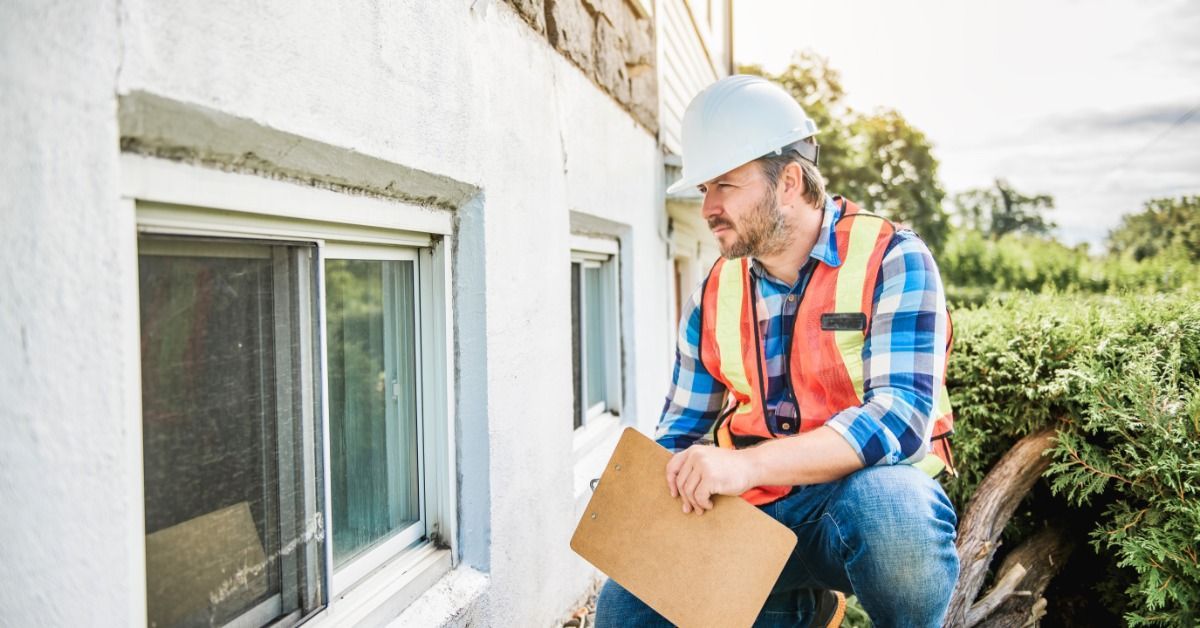
The effectiveness of security films depends heavily on the condition of the glass, which makes a proper inspection an essential first step. Installers need to evaluate each pane carefully, since damage, such as cracks, weakened edges, or deteriorating seals, can interfere with adhesion and compromise how the film performs after installation. When these issues go unaddressed, the film may not bond evenly across the surface, which can reduce its ability to hold the glass together under stress.
Glass composition introduces another layer of consideration because different types respond to impact in distinct ways. Some panes break into smaller fragments that behave differently than larger, heavier shards, which changes how the film manages the glass once it fractures. These variations influence how well the film can maintain structural integrity after impact, so selecting a compatible product becomes an important part of the decision.
3. Understand How Security Film Works
Security film does not stop glass from breaking, but it changes how the glass behaves once failure occurs, which is where its value becomes more apparent. By holding fragments together after impact, the film can slow entry attempts and limit the spread of loose pieces, both of which influence safety and response time. A controlled break pattern reduces the risk of injury while making it more difficult to gain immediate access through the opening.
Property owners should approach security film as one component within a broader protection strategy, since its performance depends on how it works alongside other building measures. When expectations align with how the product performs, the system becomes more reliable and easier to evaluate.
4. Look Beyond Thickness Ratings
Thickness draws attention because it offers a straightforward way to compare products, yet that measurement alone does not capture how installed film will perform. While thicker films can provide greater resistance under certain conditions, performance ultimately depends on how the material bonds to the glass and how that combination responds under stress.
Factors such as tested performance data, compatibility with the glass, and the quality of installation all contribute to the outcome. When you rely on thickness as the only point of comparison, you overlook important variables and increase the likelihood of choosing a product that does not perform as expected in real conditions.
5. Consider Frame Attachment Methods
After impact, the film must keep the glass anchored to the frame if it is going to provide meaningful resistance, which makes the connection between those elements a key part of the system. Some installations rely solely on adhesive to hold the film in place, while others incorporate attachment methods that secure the filmed glass more firmly within the frame. That distinction affects how long the glass remains intact under stress and how effectively it continues to resist force after the initial break.
The structure of the frame influences which approach will perform best, since not every system can support the same type of attachment. A professional installer should evaluate the window assembly and recommend a method that aligns with the conditions of the property. An assessment of this level often separates a basic application from a more robust system designed to deliver stronger and more consistent performance.
6. Review All Entry Points Across the Property
A security film strategy should account for more than a single window, since untreated openings can quickly become alternative access points once one area becomes more resistant. Doors with glass panels, sidelights, and secondary windows often receive less attention during planning, yet they can present easier opportunities if they remain unprotected. Evaluating the building creates a more accurate understanding of where vulnerabilities exist and how they connect to the property.
It is useful to think through how someone might move around the exterior, especially when certain entry points become more difficult to access. As resistance increases in one location, attention may shift to another area that appears less secure.
7. Understand Maintenance and Warranty Requirements
Security film requires proper care once it has fully cured, since improper cleaning methods can damage the surface and affect its long-term performance. Installers should provide detailed maintenance instructions that outline which products and techniques are safe to use, allowing property owners to preserve both the appearance and functionality of the film. Following those guidelines supports consistent performance and prevents avoidable wear.
Property owners should review warranty coverage carefully before installation begins, since manufacturers and system configurations define different terms. Property owners benefit from understanding what the warranty includes, how long coverage remains in effect, and which conditions may impact eligibility. Clarifying these details in advance creates greater confidence in the investment and reduces uncertainty about long-term support.
Build a Stronger Security Film Strategy
A successful installation should begin with a close evaluation of the property and the conditions that affect each window. The performance of the system depends on how those individual elements work together, since every window and installation decision influences how the film responds under stress. Careful planning leads to a solution that reflects the actual demands and reduces the likelihood of relying on assumptions that do not hold up in real conditions.
If you are considering protective window film, Sun Pro Glass Tinting can evaluate your property and recommend a system based on its specific needs. With decades of experience serving residential and commercial clients across Houston, their team delivers professional installation and guidance that supports long-term performance. If these things to consider before installing security film has clarified your approach, then reach out for a consultation that can turn those considerations into a practical plan.