





Understanding How One-Way Window Film Actually Works
Large expanses of glass can bring natural light into an office while also making interior spaces more visible from outside. One-way window film can change that relationship during the day by providing greater visual separation without completely blocking the view through the glass. Although the name sounds straightforward, “one-way” can create expectations that do not match how reflective window film functions.
Understanding how one-way window film actually works starts with the differences in the level of light on opposite sides of windows. Those changing conditions influence the reflective effect and give businesses a more accurate idea of what the film can accomplish before choosing it for their property.
What Is One-Way Window Film?
Commonly called one-way window film because of the visual effect it can create. This reflectiveness makes it more difficult to view through glass from one side when the surrounding lighting provides enough contrast. During daylight hours, the brighter exterior can take on a more reflective appearance while occupants inside retain greater visibility through the window.
Instead of creating glass that permanently allows people to look through it in only one direction, the film uses reflective properties that respond to the relative brightness on either side. This relationship explains why the same window can provide a noticeable daytime privacy effect and behave differently when lighting conditions change.
How Light Creates the One-Way Effect
When daylight makes the exterior considerably brighter than the office interior, the difference in illumination creates the effect associated with one-way window film. More exterior light reflects from the filmed glass, making reflections more prominent to someone approaching the building and reducing how easily that person can distinguish details inside.
Because occupants remain on the less brightly lit side, they can generally maintain greater visibility through the window toward the brighter outdoors. Which side appears more reflective depends on the lighting difference.
Strong interior illumination can reduce that contrast even during daylight hours. Evaluating the lighting around the actual glass helps businesses develop more realistic expectations about how pronounced the reflective effect may be.
Why the Effect Changes After Sunset
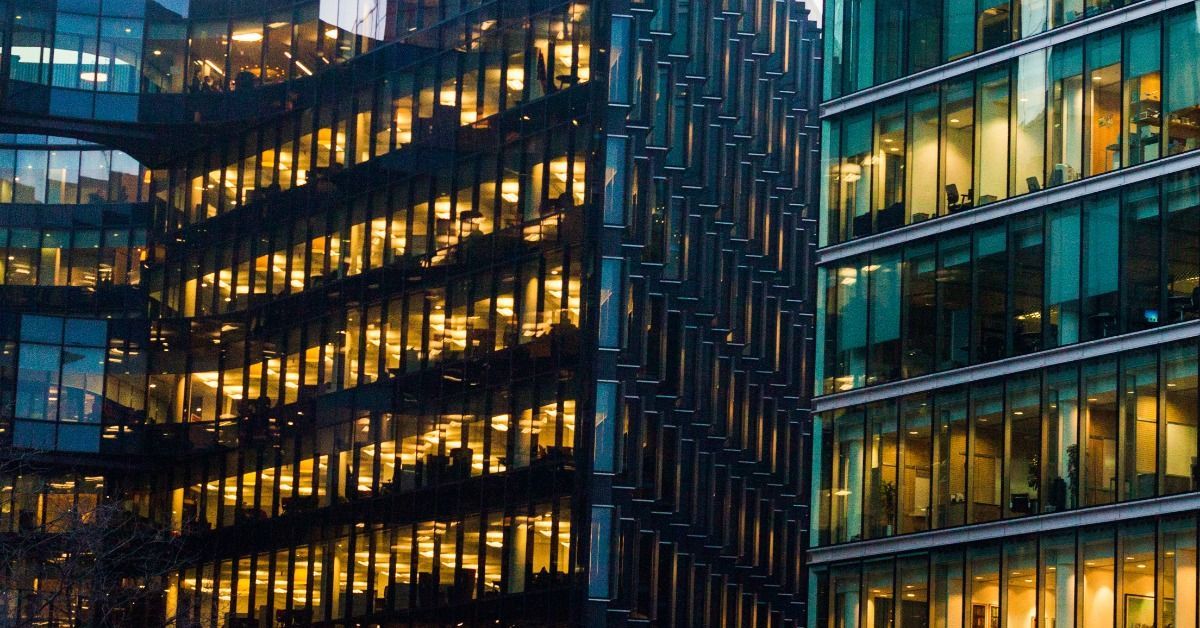
Once exterior daylight fades, illuminated offices can become brighter than their outdoor surroundings and change the relationship that supported daytime privacy. People outside may gain a clearer view into the building, while occupants can notice stronger reflections when looking toward the windows from inside.
Although the viewing conditions have changed, the film continues responding to the same difference in brightness that created the daytime effect. Businesses should therefore not interpret “one-way” as a guarantee of constant privacy when lighting conditions can shift throughout the day.
What Can Affect the Reflective Effect?
Differences in sun exposure can cause the reflective effect to vary across a commercial building. Glass receiving strong daylight may look noticeably more reflective than windows shaded by nearby structures or architectural features, even when both areas use the same film.
Artificial lighting can create additional differences because bright illumination near the windows may reduce the contrast between indoor and outdoor conditions. Evaluating individual areas of the building allows an installer to account for these variables.
Window orientation can also change the amount and timing of daylight reaching the glass. Windows that receive intense sunlight for part of the day may produce a stronger reflective appearance during those hours than windows with more consistent shade. These variations make the surrounding environment an important part of evaluating the expected effect.
One-Way Film Can Also Manage Solar Exposure
In addition to influencing visibility through commercial glass, reflective window films can provide solar-control benefits depending on the selected product. An appropriate film can help reduce solar heat entering the space and control glare in areas with substantial exposure.
Offices with bright windows may particularly benefit when direct sunlight interferes with screens or makes work areas near the glass uncomfortable. Because products differ in their performance characteristics, however, a reflective appearance does not automatically indicate how effectively a film will address a building’s solar-control needs.
Reviewing product specifications alongside the desired privacy effect allows businesses to evaluate each objective separately.
Does One-Way Film Work on Interior Glass?
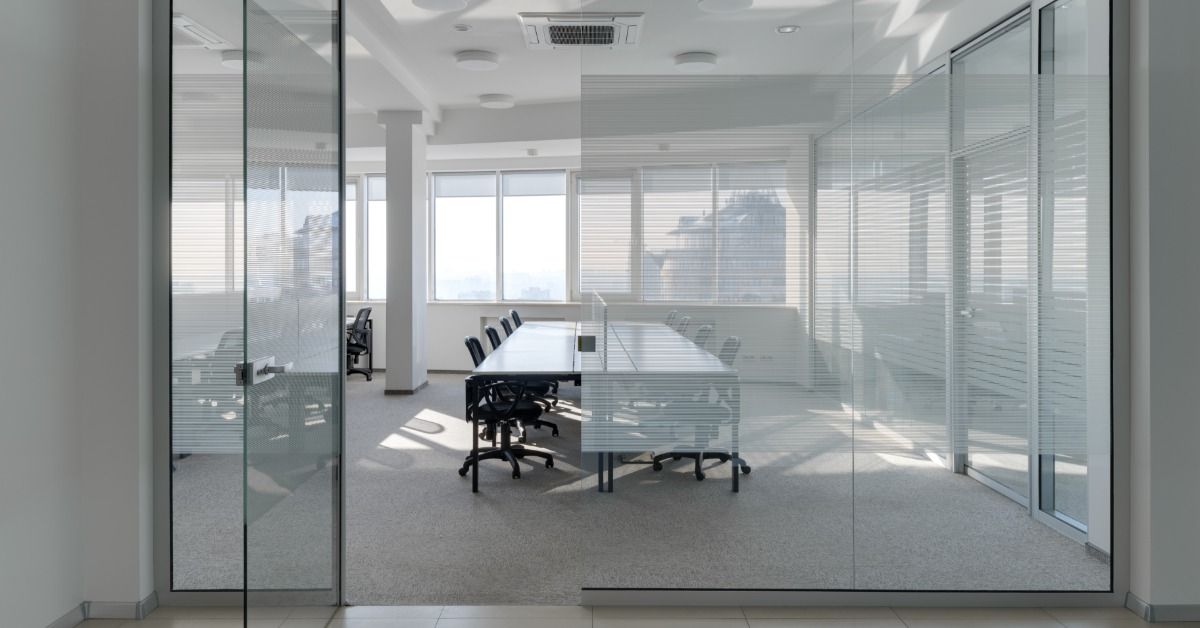
Interior glass can sometimes use reflective film to create a one-way effect when the lighting on opposite sides provides enough contrast. A conference room facing a hallway, for example, will not automatically gain reliable one-directional visibility simply because reflective film covers the dividing glass.
When both spaces have similar illumination, neither side may become reflective enough to create the expected visual separation. Businesses that need consistent privacy regardless of surrounding light may require a different strategy.
Consider Visibility From Both Sides of the Glass
Because reflective film changes the appearance of commercial windows from outside, businesses often focus first on the privacy effect. Employees and other occupants also experience the glass from inside, making natural light and outward visibility important considerations.
Depending on its specifications, a film can influence both the amount of visible light entering the space and the appearance of the view through the window. Comparing appropriate samples against the property’s existing glass can make these differences easier to evaluate under actual lighting conditions.
Businesses should also consider how employees use areas near the windows throughout the day. Maintaining an outward view may matter more in regularly occupied offices and meeting spaces than in areas where employees spend little time beside the glass. Considering the window from both perspectives helps businesses account for the experience inside the building as well as its appearance from outside.
Match the Film to the Building and Its Glass
Choosing an appropriate reflective film requires more than determining whether the exterior appearance provides the desired daytime privacy. Existing glass construction and film specifications also need to be compatible with the conditions and performance priorities of the space.
During an evaluation, an installer can consider the existing glass construction along with the performance characteristics required for each area. Comparing those factors with the goals for the space helps businesses choose a suitable film based on how it needs to perform rather than relying on a “one-way” label alone.
Know What To Expect From One-Way Window Film
Knowing how one-way window film actually works helps businesses understand why its daytime privacy effect can change with surrounding light. Strong exterior daylight generally supports greater reflectivity from outside, while shifts in outdoor and interior illumination can change what people see through the glass.
With realistic expectations about privacy, visibility, and performance, businesses can make a more informed film choice for their property. Businesses considering office window tinting in Houston can work with Sun Pro Glass Tinting to evaluate their existing glass and compare commercial film options suited to their building.