




Window Tint vs Solar Screens: The Pros and Cons
Choosing the right window treatment for your home impacts your energy bills and overall comfort. Many homeowners find themselves debating between tinting their glass or installing external screens to manage heat and light. By weighing the pros and cons of window tint versus solar screens, you can make a decision that suits your lifestyle and budget.
Understanding the Basics of Window Tint
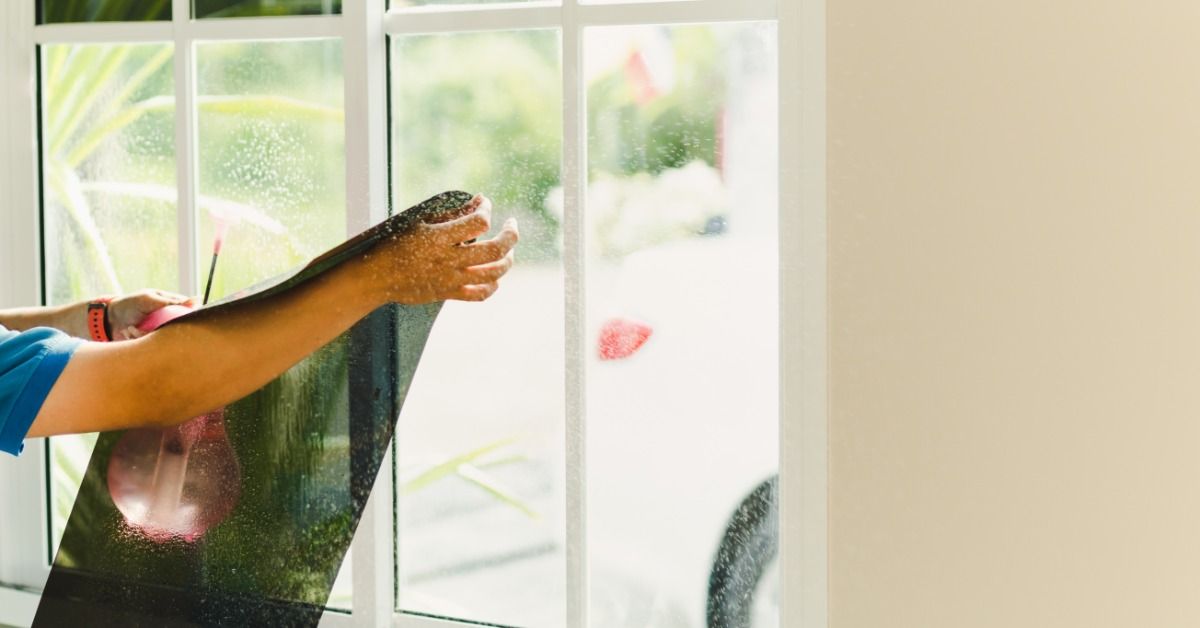
Window tint involves applying a thin laminate film to the glass surface of your existing windows. This film adheres directly to the interior or exterior pane to filter out sunlight and reinforce the glass structure. Manufacturers design these films in various shades and grades to offer specific benefits like UV protection or privacy.
With this option you gain a sleek and seamless look because the tint becomes part of the window itself without adding bulk. It maintains the original architectural style of your home since most modern tints use advanced ceramic or metallic technologies to reject heat without needing to be pitch black.
How Solar Screens Work for Your Home
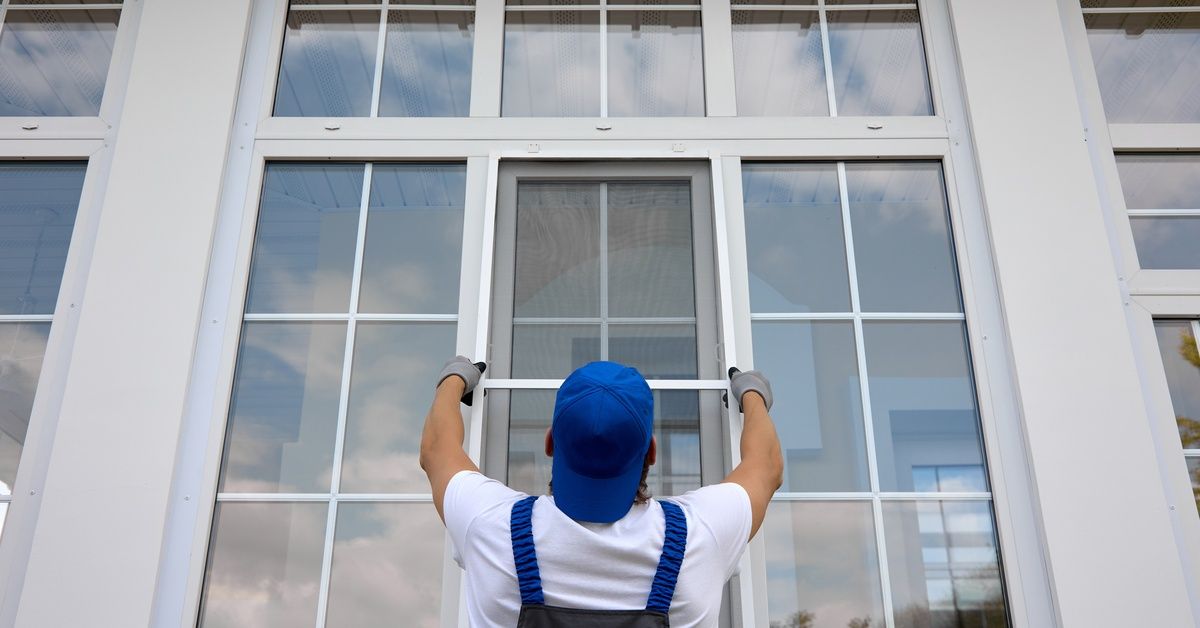
Solar screens function as mesh panels that you mount on the exterior of your window frames. These screens physically block the sun's rays before they even touch the glass surface, which prevents heat transfer very effectively. You can choose from different openness factors to control how much light and air pass through the mesh material.
The installation process resembles putting up traditional insect screens but uses much heavier and more durable fabric. They stand up to harsh weather conditions and act as a first line of defense against debris during storms. Because they sit outside, they create a barrier that keeps the glass much cooler than unprotected windows.
Comparing Energy Efficiency and Heat Rejection
Both options reduce the amount of heat entering your home, but they achieve this goal through different mechanisms. Solar screens excel at stopping heat gain because they shade the window completely from the outside. This external shading is the most effective way to lower cooling costs during the hottest summer months.
Window tint reflects and absorbs solar energy at the glass level to keep your interior temperature stable. High-quality residential window film blocks some infrared heat while letting natural light illuminate your rooms. This makes tint an excellent year-round solution for maintaining consistent energy efficiency without darkening your home too much.
The Impact on Aesthetic Appeal
Window tint offers a subtle upgrade that goes unnoticed from the street unless you choose a reflective style. It enhances the view from the inside by reducing glare, allowing you to enjoy your landscape without squinting. Your home retains its original curb appeal while enjoying the hidden benefits of advanced solar protection.
Customizing Your Look
Solar screens inevitably change the exterior appearance of your house because they cover the windows with dark or light-colored mesh. Some homeowners appreciate the uniform look they provide, while others feel they obscure the architectural details of the windows. But you can choose frame colors and mesh densities to blend the screens more naturally with your home's siding or brickwork.
Analyzing Durability and Maintenance
Window tint requires very little maintenance once the adhesive cures completely on the glass surface. You clean it just like a normal window, using a soft cloth and ammonia-free cleaning solutions to avoid damage. High-quality films can last for many years without peeling, bubbling, or fading when installed by professionals.
Solar screens are robust and can withstand wind, rain, and hail better than bare glass. However, they can trap dust and pollen in the mesh, requiring you to remove and hose them down periodically. Over a long period, the frames might fade or the mesh could sag, necessitating repairs or replacement to keep them looking sharp.
Privacy Levels During Day and Night
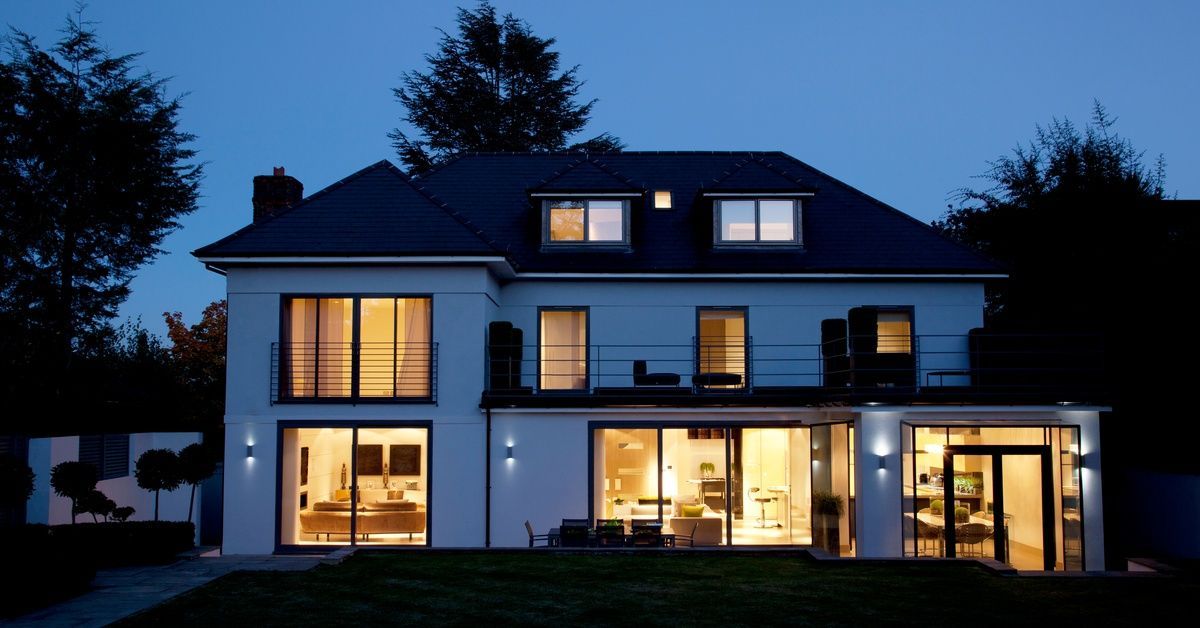
Tinting provides excellent daytime privacy by creating a reflective or dark barrier against prying eyes outside. People walking by will only see a reflection, while you can still see outside clearly from your living room. However, this effect reverses at night when your interior lights make the inside visible to the outdoors.
Solar screens offer a physical barrier that obscures the view into your home during the day. The thick mesh makes it difficult for anyone to see inside, regardless of the lighting conditions outside. While they provide better nighttime privacy than tint, you may still need curtains or blinds for complete seclusion after dark.
Cost Differences and Installation
The price of window tint varies based on the quality of the film and the complexity of your window shapes. It is generally a cost-effective modification that delivers a high return on investment through energy savings. With professional installation, you avoid bubbles or creases and get a flawless finish that justifies the initial expense.
Solar screens typically cost a bit more due to the materials involved and the custom manufacturing of the frames. You pay for the heavy-duty mesh and the aluminum framing that must fit your windows perfectly. While the upfront cost might be higher, the extreme heat reduction they offer can pay for itself quickly in hot climates.
DIY vs Professional Help
Applying window film yourself is risky because handling large sheets of sticky film requires skill and patience to avoid ruining the material. One small mistake can lead to unsightly bubbles or creases that are impossible to fix without starting over completely. Hiring a professional gets you the right product and a warranty that protects your investment.
Protection Against UV Damage
Both solutions provide strong protection against the ultraviolet rays that fade your furniture and flooring. Window tint creates a continuous filter that blocks up to 99% of these harmful rays. This preservation extends the life of your valuable rugs, artwork, and hardwood floors.
Solar screens also reduce UV exposure by shading the interior and filtering the sunlight that passes through. The mesh captures the majority of the spectrum before it enters the room. This reduction keeps your interior vibrant, though some scattered UV rays may still penetrate through the open weave of the screen.
Making the Right Choice for Your Needs
Your final decision should depend on your specific climate, aesthetic preferences, and budget constraints. If you live in an area with intense heat and want maximum thermal rejection, screens might be your best bet. If you prioritize a clean look and clear views, tinting offers a modern and effective solution.
Take time to evaluate how much maintenance you are willing to perform and what look you want for your home exterior. Consulting with an expert can help you visualize how each option will perform on your specific property. Weighing the pros and cons of window tint versus solar screens ensures you invest in a solution you will love for years.
Increase Your Home Comfort Today
Enhancing your home with the right window treatment is a smart move for your comfort and your wallet. Our team helps you navigate the options to find the perfect match for your specific needs. Contact Sun Glass Pro Tinting today to schedule your consultation on the best option for your needs.